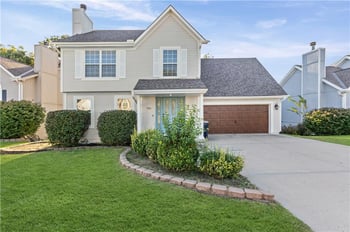
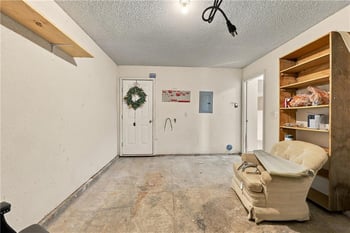
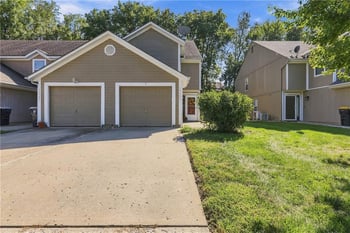
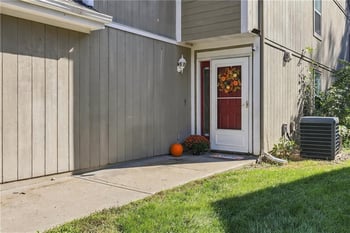
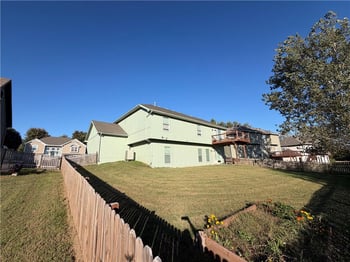
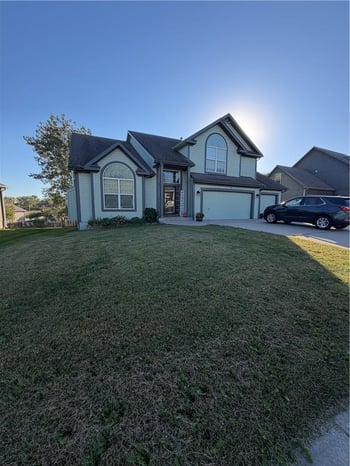
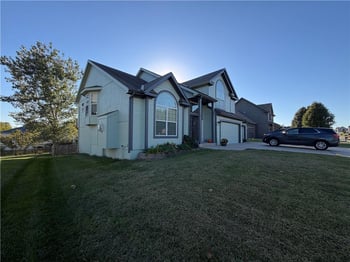
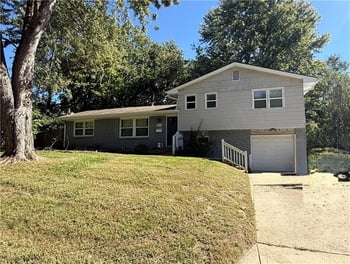
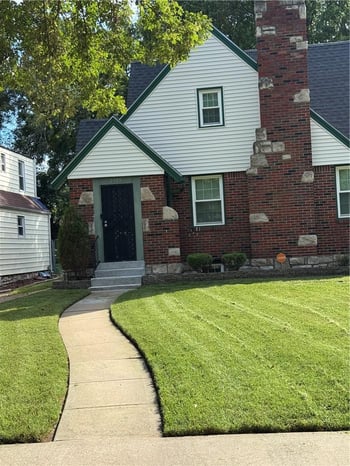
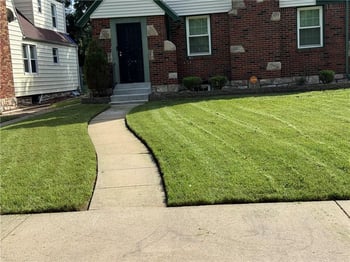
New - 15 Mins Ago
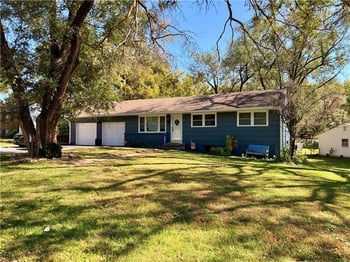
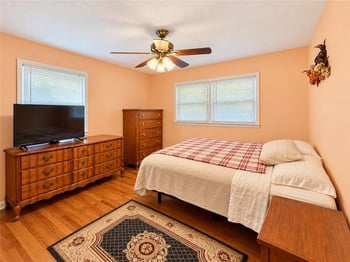
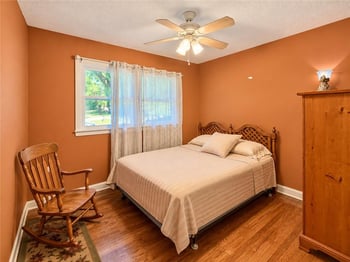
$280,000
Active
4
Beds
2
Baths
1820
Sqft
0.38
Acres
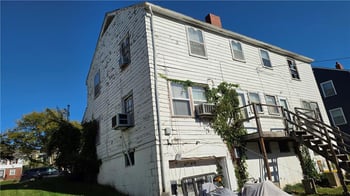
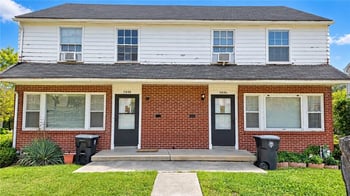
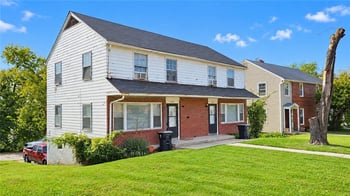
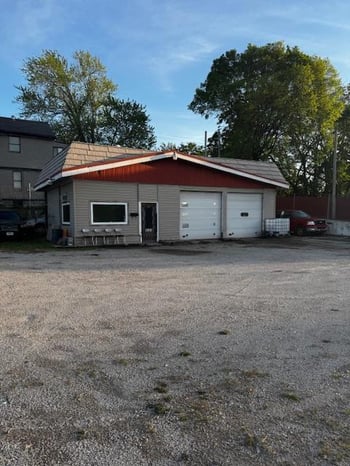
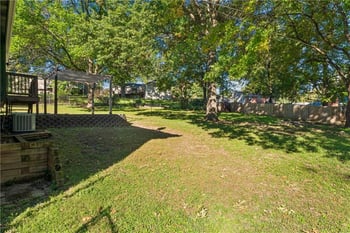
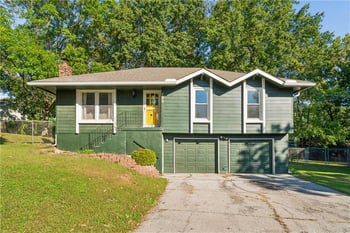
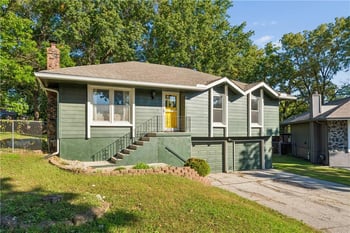
7833 Lathrop Ct, Kansas City, KS 66109
MLS#: HMS2646517




Buying a Kansas City home can be worth it when the exact property fits your likely stay, the full monthly cost fits your budget and enough cash remains for repairs and emergencies. Renting may fit better when a move is likely, closing would drain your savings or a major repair would strain the budget. Compare a specific home and loan with a similar rental instead of letting a broad market forecast make the decision.
Buying can be worth it when the home, timeline and full financial commitment work together. The CFPB’s home-readiness guidance explains that homeownership involves a down payment, closing costs and ongoing responsibilities such as repairs, property taxes, insurance and HOA dues when required.
Ask two separate questions: Can you afford to close, and can you afford to keep the home? A workable plan leaves cash after closing for emergencies, expected repairs and ordinary saving.
The property must also fit your daily trips, space needs and likely maintenance. A lower price does not offset a long routine drive, urgent roof work or a payment that leaves no reserve.
Renting remains a reasonable choice when flexibility or available cash matters more than owning the property. Do not rely on a universal three-year or five-year cutoff. Your likely stay, upfront cash, repair exposure and possible sale terms matter more than a rule of thumb.
Compare rent with the entire household cost of owning, not just the loan’s principal and interest. Use the same period and utility assumptions for both choices.
For a rental, include:
For a home, include:
Keep upfront cash in a separate part of the worksheet. The down payment becomes equity in the home, but the amount you recover depends on the property and a later sale. It is not a recurring monthly expense. Principal payments also reduce the loan balance, so they should not be treated the same as interest, taxes or insurance.
The CFPB’s mortgage-cost explanation separates lender charges, points, third-party services, government fees, amounts paid in advance and initial escrow deposits from later monthly costs. Some money collected at closing pays future taxes or insurance. Do not count that money twice for the same period.
Fixed-rate principal and interest can remain fixed while the total cost changes. The CFPB explains that mortgage payments can change when taxes or insurance premiums change. Adjustable-rate loans and temporary rate reductions can also change payments. HOA dues and maintenance needs may affect the household budget even when they are paid outside the mortgage payment.
This hypothetical example shows how the monthly comparison works. It does not establish a Kansas City average, represent a current quote or predict which choice will cost less over time. Every number below is hypothetical.
Hypothetical purchase and loan assumptions
The rounded monthly principal-and-interest payment is $1,517.
Hypothetical monthly cost to own
The $250 maintenance reserve is money set aside in the household budget. It is not a lender payment or a bill guaranteed to arrive each month.
Hypothetical monthly cost to rent
Owning uses $342 more cash per month in this example. That difference is not profit or loss, and it is not a break-even result. It does not prove either option costs less over the full stay.
Part of the $1,517 loan payment reduces the loan balance. Interest, taxes, insurance and repair spending are separate. No change in property value is assumed.
Utilities are excluded on both sides. Add any differences for the two properties being compared.
Cash needed at closing is also separate. This example includes the $60,000 down payment but assigns no amount to closing charges, money paid in advance or initial escrow deposits. Use the amounts listed by the lender because the CFPB identifies several different kinds of mortgage closing costs.
City limits, work location and costs for the exact property belong in the calculation. Keep Kansas City, Missouri; Kansas City, Kansas; and Overland Park in separate rows instead of treating every “Kansas City” address as one tax area.
Kansas City, Missouri, has a 1% earnings tax. The city’s earnings-tax guidance says it applies to KCMO residents who work inside or outside the city. It also applies to earned income within KCMO for nonresidents, subject to any exemptions that apply.
Ask two practical questions: Is the home inside KCMO, and is the workplace inside KCMO? The tax is not a property tax or a general Missouri or metro tax. It can affect renters as well as homeowners. If renting and owning would keep the same home and work locations, do not assign the tax only to ownership.
For the property itself, obtain the current property tax record, an insurance quote for the address and the HOA documents when needed. Ask the office that issues the tax bill how to estimate it after a purchase instead of relying only on the amount displayed in a listing.
Different properties call for different questions. A condo comparison needs current dues and association financial documents. A detached home with an aging roof needs an inspection and a realistic repair estimate.
A home farther from routine destinations needs mileage, fuel, tolls, parking and transit costs added to the budget. A district name alone does not establish these costs for an individual address.
A possible early move makes upfront costs, sale terms and available cash more important. Test an earlier move instead of assuming a future sale price will solve the numbers.
Start with a possible sale price. Subtract the remaining loan balance, fees negotiated in the sale, other selling costs and moving expenses. The result is only a scenario because the future sale price and timing are unknown. Do not assume rising property values will cover transaction costs or repairs.
Principal payments reduce the loan balance, but interest, taxes, insurance and repair spending are not automatically recovered at sale. The CFPB’s mortgage-cost breakdown keeps principal and interest separate from mortgage insurance, taxes, insurance and association dues paid outside the loan payment.
A longer stay can spread one-time buying and selling costs across more months. It does not create an automatic point at which ownership becomes profitable. The CFPB’s readiness guidance also treats repairs and other continuing responsibilities as part of owning.
Test three uncomfortable possibilities: moving earlier than planned, paying for one major repair and waiting longer than hoped for a sale. If those scenarios would require new debt or leave too little cash, renting may offer more useful flexibility.
Gather the same loan documents, property costs and household numbers for every shortlisted home. This makes it easier to compare properties without mixing estimates, listing claims and firm quotes.
Collect:
Organize the numbers in four groups:
This prevents the down payment from being treated as a monthly bill. It also helps avoid counting taxes or insurance twice when the lender collects money for them at closing. The CFPB’s mortgage-cost guidance explains the separate types of charges that may appear at closing.
This comparison is informational only, not legal, tax or lending advice. Ask a licensed lender about loan terms, a CPA about personal tax questions and an attorney about contracts or other legal issues.
Start with a monthly limit and a minimum cash reserve, then compare homes that fit both. Review Kansas City, Missouri homes and Kansas City, Kansas homes separately so the jurisdiction stays clear.
For each shortlisted address, replace the sample numbers with the proposed loan payment, property taxes, insurance quote, HOA dues, repair reserve and routine travel costs. Put a similar rental beside it using the same utility and parking assumptions.
If the result leaves room for repairs and an earlier move, buying may fit. If it does not, change the property, financing plan or timing rather than forcing the worksheet to work.
Use the Urban Cool Homes contact page to discuss specific properties after setting the budget and listing the questions that still need answers for each address.
Choose one property from the Kansas City, Missouri homes or Kansas City, Kansas homes, then run its actual loan terms, property costs and moving timeline through the same worksheet before deciding.