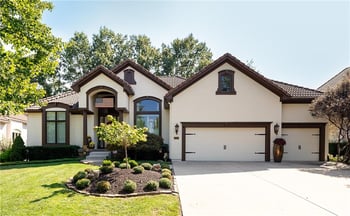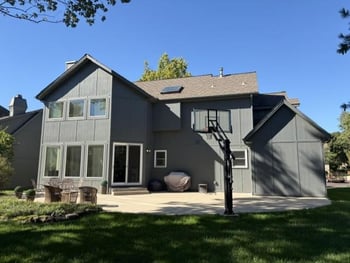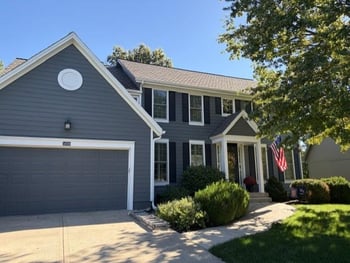


Before making an offer on a remodeled Overland Park home, check the permit and inspection trail for the improvements you are being asked to value. Start by confirming the correct jurisdiction, then compare the available city records with the seller's description, contractor documents, Johnson County information, and your physical inspection.
The goal is not to prove that a remodel is good or bad from a permit search. It is to understand what the available records support and where you still have questions before making an offer.
How to Check a Remodel Before You Make an Offer
For a remodeled Overland Park property, work through the review in this order:
- Confirm which jurisdiction handled permits for the property.
- Search the official permit system for the exact address.
- Match the advertised or visible improvements to the available permit records.
- Look beyond permit issuance and review any available inspection or final-status information.
- Compare the city trail with Johnson County AIMS, seller disclosures, invoices, contractor records, and the physical inspection.
- Follow up on gaps or conflicting information before relying on an improvement when deciding what the home is worth to you.
Overland Park provides a permit and inspection directory and the city's ePLACE permit portal for property-specific research.
A blank search does not prove that work was illegal or completed without a required permit. Likewise, finding a permit does not prove workmanship, present safety, current code compliance, legal square footage, or that every inspection was passed.
Confirm the Correct Jurisdiction First
Do not assume an Overland Park mailing address tells you which government handled a particular project.
Johnson County AIMS provides parcel and address mapping with information that can help you cross-reference the property and city boundary. If the jurisdiction remains unclear, confirm the responsible permitting authority before drawing conclusions from a search.
This matters because Overland Park and Johnson County maintain separate official permit resources. Searching the wrong jurisdiction can leave you with an incomplete picture.
Match Each Improvement to the Permit Trail
Finding one permit for the property is not enough if the home has several represented improvements.
Take the remodel piece by piece. If the listing describes a finished basement, deck, addition, electrical upgrade, or plumbing project, look for records that appear to correspond with that work.
For each improvement, ask:
- Is the permit connected to the correct address or parcel?
- Does the project description resemble the work being represented?
- Does the scope appear broad enough to cover the visible improvement?
- Do the application, issuance, inspection, and completion dates fit the seller's timeline?
- Does the permit type appear consistent with the work being described?
Then compare that record with what you can actually see and what the seller provides.
For example, if a finished basement is being presented as part of the home's usable living space, compare the available permit trail with the basement's layout, the seller's description, contractor invoices, and your inspection findings.
Do not assume every improvement required a permit. Requirements and exceptions can depend on the work involved. When that question matters to your decision, ask the city about the specific project.
Permit Issuance and Final Inspection Are Different Questions
A permit being issued does not, by itself, tell you what happened afterward.
When records are available, look at the sequence rather than one status in isolation. You may see information related to an application, permit issuance, individual inspections, a final inspection, a certificate of occupancy when applicable, or a later closed or final status.
The terminology may vary, so avoid assigning your own meaning to an unfamiliar label.
What matters is whether you can understand where the project appears to have reached in the process. If the record is unclear, ask the responsible department what the property-specific status means.
Compare the Permit Record With the Rest of the Property File
Permit information is one part of the review. Several other sources can help you understand whether the represented remodel lines up with the available documentation.
Listing and marketing claims: Identify exactly what is being represented, including the improvement, approximate timing, size, and intended use.
Permit trail: Compare the address, project description, permit type, dates, inspection activity, and available final-status information.
Johnson County AIMS and property information: Use parcel, city, and building-footprint information as a cross-check. County information does not establish a remodel's permit status, inspection result, or legal square footage.
Seller disclosure: Compare the seller's statements about additions, repairs, permits, and known conditions with the other records.
Invoices and contractor documents: Look for contractor names, dates, descriptions of the work, warranties, and the systems or rooms involved. An invoice does not establish that a permit reached final status.
Independent inspection: Ask your inspector to evaluate the relevant visible work and explain any limitations, concerns, or areas outside the inspection's scope.
You are looking for consistency. If the seller's timeline, visible improvements, permit trail, and supporting documents point in the same general direction, you have more information to work with. If they do not, identify exactly what remains unresolved.
What to Ask When the Records Do Not Line Up
A gap or mismatch is a reason to ask better questions, not automatically conclude that the work violated a rule.
Direct each question to the person or department that can actually answer it.
Seller or listing agent
- What work was completed?
- When was it done?
- Who performed it?
- Are permits, inspection reports, invoices, plans, or warranties available?
City or responsible permit office
- What does the displayed status mean?
- Is the search connected to the correct property?
- Does the project description appear to cover the work in question?
- Are there additional records or another way to research an older or unclear entry?
Independent inspector
- Can the visible work be evaluated?
- Are there concerns that deserve a closer look?
- Should a specialist evaluate the basement, deck, structure, electrical system, plumbing, or another component?
Licensed lender
- Does the unresolved issue affect this loan program, appraisal process, required documentation, repairs, or transaction timeline?
Insurer
- Does the improvement or available documentation raise underwriting questions or additional record requests?
Title professional
- Is the issue relevant to the title work, or is it outside the title professional's role?
Attorney
- If the issue has legal significance, what contract language, document request, deadline, or remedy should be considered?
Keeping those roles separate can prevent one person's opinion from being treated as an answer to a question outside that person's expertise.
Decide What the Uncertainty Means for Your Offer
Not every missing detail deserves the same response.
An unanswered question about a relatively small project may carry different weight from uncertainty surrounding an addition or finished basement that contributes substantially to how you expect to use or value the home.
Depending on the property and the issue, you might:
- Request additional documents before making the offer.
- Preserve enough inspection time to investigate further.
- Bring in an appropriate specialist.
- Ask an attorney about contract protections.
- Discuss whether the uncertainty should affect price or other terms.
- Avoid assigning value to an improvement until you can support the assumption.
- Decide not to proceed if the unanswered questions exceed your comfort level.
A discrepancy does not automatically mean financing, insurance, appraisal, title work, or closing will be affected. Ask each relevant professional to explain that party's requirements for the specific transaction.
For a broader look at preparing for the purchase process, see the Overland Park first-time buyer guide.
What a Permit Search Cannot Tell You
Even a permit record that appears to match the remodel is not a certification of the home's current condition.
Permit history should not be treated as proof of workmanship, present safety, current code compliance, legal square footage, present use rights, concealed conditions, or that every relevant inspection was passed.
Johnson County information, seller documents, contractor records, permit entries, and an independent inspection each answer different questions. Use them together to identify what is supported and what still needs clarification.
If you are comparing several properties, browse homes for sale in Overland Park and use the same review process for any remodeled home you are seriously considering.
This guide is informational only and is not legal, tax, or lending advice. Direct contract questions to an attorney, loan questions to a licensed lender, and tax questions to a CPA. Base the offer on what the available documents and physical inspection support—not on the remodel description alone.