New - Just Now






Key Takeaways:
Understanding the cost of living in Wichita, KS is crucial if you're planning a move or budgeting for the future. Knowing what to expect with housing, groceries, and other essentials will help you make informed decisions. Let's break down the key factors so you can feel confident and prepared.
The cost of living in Wichita, Kansas, is generally lower than the national average, making it an affordable place to live. Key components like housing, groceries, and transportation are all more budget-friendly compared to many other cities.
Wichita’s cost of living index is about 15-20% lower than the U.S. average. This means your dollar stretches further here than in larger cities like New York or Los Angeles.
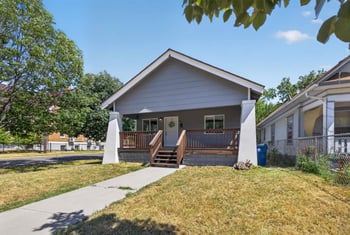
Housing costs in Wichita are notably affordable, making it an attractive option for both renters and homebuyers.
As of 2024, the average rent in Wichita is around $900 per month for a one-bedroom apartment. Larger apartments and homes vary but remain below the national average.
Home prices in Wichita are about 30% lower than the national average, with the median home price around $180,000. This makes buying a home more accessible for many.
When budgeting for housing in Wichita, consider allocating about 25-30% of your monthly income. This includes rent or mortgage payments, utilities, and maintenance, ensuring a comfortable and manageable living situation.
Utility costs in Wichita are reasonable, contributing to the overall affordability of living in the city.
On average, residents in Wichita can expect to spend around $150 to $200 per month on utilities, including electricity, heating, cooling, water, and garbage.
To reduce utility expenses in Wichita, consider energy-efficient appliances, sealing windows and doors to prevent drafts, and being mindful of water usage. Simple changes like adjusting your thermostat and unplugging unused electronics can also help lower costs.
Transportation costs in Wichita are generally lower than in many other cities, adding to its affordability.
Transportation expenses in Wichita are about 10-15% lower than the national average. Gas prices and car maintenance costs are relatively affordable, and the city’s traffic is manageable, reducing fuel consumption.
The average cost of public transportation in Wichita is $55 per month for a bus pass. Single rides are around $2, making it an economical option for getting around the city.
Healthcare costs in Wichita are relatively affordable compared to the national average, contributing to the city’s overall lower cost of living.
Healthcare expenses in Wichita are typically 5-10% lower than the national average. This includes costs for doctor visits, hospital stays, and prescription medications.
The average cost for a doctor's visit in Wichita is around $100, while a routine dental check-up can cost about $75. Prescription medications and other services are also reasonably priced, making healthcare more accessible for residents.
The prices of goods and services in Wichita are generally lower than the national average, helping to keep overall living costs manageable.
Grocery prices in Wichita are quite reasonable. For example, a gallon of milk costs around $3, a loaf of bread is about $2, and a dozen eggs typically runs around $2.50.
Prices for miscellaneous goods and services in Wichita, such as dining out, entertainment, and personal care, are generally lower than in larger cities. For instance, a meal at a mid-range restaurant might cost $15-$20, making everyday living more affordable.
A cost of living calculator is a valuable tool for estimating expenses and making informed decisions when planning a move to Wichita.
When using a cost of living calculator, consider factors like housing, utilities, groceries, transportation, healthcare, and miscellaneous expenses. These will give you a comprehensive view of your potential costs.