New - 15 Mins Ago
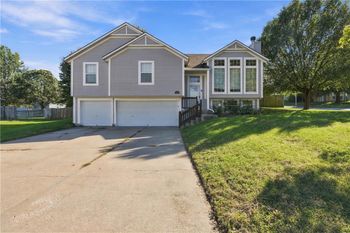
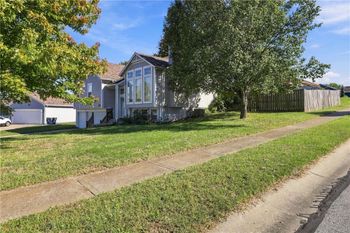
$305,000
Active
3
Beds
3
Baths
1982
Sqft
0.27
Acres
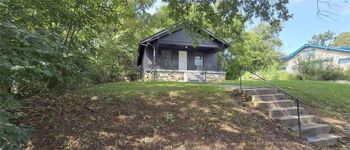
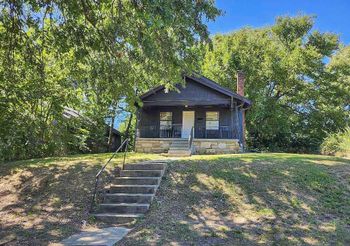
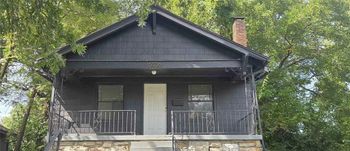
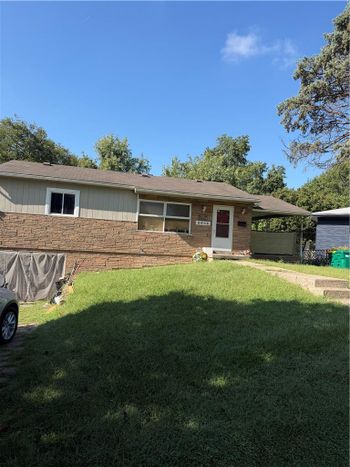
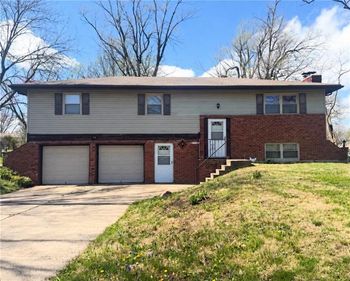
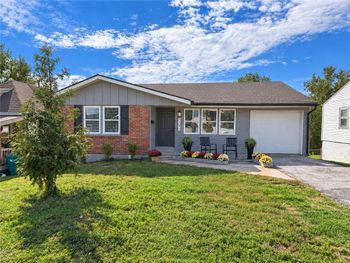
15001 E 48th St, Kansas City, MO 64136
MLS#: HMS2646735




Get the complete radon report before deciding what to do about a Kansas City home. The practical sequence is straightforward: arrange the test, confirm who will review it, get a written work plan if needed and fit every step to your contract deadline. When booking the home inspection, ask whether radon is included or ordered separately. A test on the calendar is only the start; the report must arrive in time to guide your decision.
Read the full report before reacting to a text, screenshot or single reading. The EPA’s revised 2024 home-purchase guide recommends testing homes when they are bought or sold. It recommends fixing a home when the measured level is 4 pCi/L or higher, while noting that lower results still carry some risk.
Use this compact worksheet:
| Report item | What to verify |
|---|---|
| Date and location | Test date, tester and device location |
| Method and validity | Method used, test conditions and whether the result is valid |
| Result and interpretation | Complete result and the radon professional’s explanation |
| Follow-up | Whether more measurement or a mitigation review is recommended |
An older report can provide useful history, but compare its date, device location and tester with the home today. Also consider whether the homebuyer plans to regularly use a lower level that the seller did not use the same way.
Real-estate testing follows its own procedures. Let the radon professional choose the appropriate approach, confirm whether the result is valid and explain any follow-up. Coordinate access and occupancy, follow the testing instructions and do not change conditions to influence the reading.
Use a radon professional whose credentials fit the state where the home sits. Crossing the Kansas–Missouri line changes what to verify, even when the two homes are only a short drive apart.
For a Kansas home, KDHE requires a hired radon measurement or mitigation professional to hold current Kansas certification. Its certified-professionals map can help with the search. Confirm the individual’s current credential and which work it covers. These KDHE pages were checked October 12, 2026.
For a Missouri home, Missouri DHSS recommends professionals certified through NRPP or NRSB. That guidance, checked October 12, 2026, is a recommendation and should not be read here as a Missouri testing mandate.
Before scheduling, ask:
Those details matter when “the report comes in late” could leave little time to interpret it or discuss next steps.
Ask for system records and measured results when the home already has radon equipment. If the response is “the fan is already there,” request the dated installation and service records, operating instructions, warranty terms, and reports from before and after installation.
A visible pipe, fan, gauge or installation receipt is not a radon measurement report. The EPA’s radon-reduction guide, with a 2025 cover, recommends qualified mitigation, a written proposal, operating and maintenance information, warranty details, and follow-up measurement.
Have a radon mitigation professional review the system and available paperwork. The point is not to diagnose equipment by looking at it. The point is to learn what has been measured, what maintenance information transfers with the home and whether another measurement is appropriate.
Put the test, report review, work proposal and follow-up measurement on a dated plan before your contract deadline. If a valid result leads you to consider mitigation, get a written proposal for the exact home. The EPA recommends documenting the proposed work, system operation, maintenance, warranty and follow-up measurement.
Then compare that plan with the signed contract. Ask your agent to help pin down these points:
Do not assume a radon result automatically requires a seller repair, permits cancellation or guarantees the return of a deposit. The available options depend on the signed contract and any later written agreement. A real estate attorney should answer questions about contract rights or unclear terms.
Homebuyers comparing Kansas City MO homes and Kansas City KS homes should attach the radon plan to the exact address. The real question is not merely whether testing occurred. It is whether a valid report, an explanation and any needed work plan will be ready before the homebuyer must act.
Urban Cool Homes can help organize the property questions and next steps surrounding a radon report. Gather the home’s address, the state where it sits, the complete report, the contract deadline and any system records or work proposal.
Use the Urban Cool Homes contact page to discuss how those pieces fit into the purchase timeline. Technical interpretation belongs with a radon professional, and legal questions belong with an attorney. This guide is informational only and is not legal, tax or lending advice. Bring the full report and the exact deadline—not just the reading.