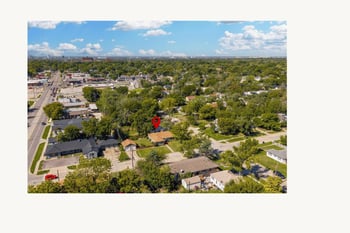
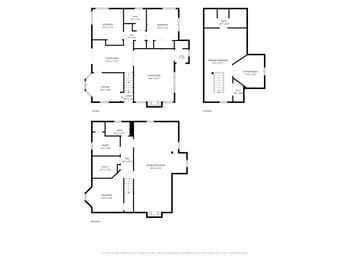
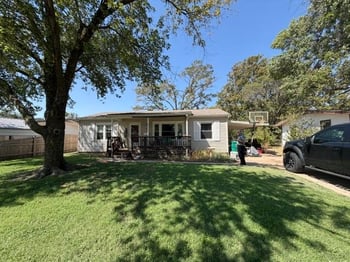
Open: Sun 2:00 PM - 4:00 PM






A Wichita real estate agent can help a homebuyer find and compare homes, prepare an offer, manage contract dates, and coordinate inspection and closing steps. A listing agent can help a home seller price, prepare, market and manage the sale.
The exact services, who the agent represents and the cost come from the written agreement—not the job title alone. Compare what the agent will do, what remains your responsibility and which questions must go to another professional.
An agent can help a Wichita homebuyer search, tour, compare, offer and manage contract dates, but the written agreement should identify the services that are included.
Those services may include:
Consider a roof concern found during an inspection. The agent can explain the available contract choices, prepare the homebuyer’s response and negotiate before the deadline. The inspector reports the observed condition, while a roofing contractor evaluates repair options, likely scope and cost. The agent should not certify the roof’s remaining life or decide whether a technical repair is adequate.
Under Kansas law covering an agent who represents a homebuyer, the agent performs the written agreement, promotes the client’s interests, presents offers subject to the law’s exception, discloses known adverse material facts and recommends expert advice for matters beyond the agent’s expertise. These duties do not guarantee a lower price, an accepted offer or a defect-free home.
A listing agent can help a home seller prepare, market and manage the transaction, while the home seller keeps control of pricing, repair, showing and offer decisions.
Agreed services may include:
The agreement should identify whether photography, staging, floor plans, advertising or other marketing items are included in the main fee or charged separately. A lower main fee may not be a lower total cost if important services require added payments.
Under Kansas law covering an agent who represents a home seller, the agent performs the written agreement, promotes the client’s interests, presents offers subject to the law’s exception, discloses known adverse material facts and recommends expert advice when needed. Those duties do not promise a particular price, a quick sale or a successful closing.
Your written agreement should tell you who represents you; the person opening a door or delivering a document does not answer that question by itself.
Kansas prohibits a licensee from acting as a dual agent. Two agents at the same brokerage do not automatically create prohibited dual agency.
A same-firm transaction may instead change from agency to transaction brokerage. Kansas law requires informed consent through a statutory addendum: the homebuyer signs before writing the offer, and the home seller signs before signing the purchase contract. If the role changes, ask the brokerage to show who represents whom and which document establishes that role.
Verify the records and practical details for the specific address rather than relying on broad statements about an area.
For a Wichita-area home, review:
Two homes with the same asking price can have different ongoing costs because their tax or special-assessment records differ. If a listing and a government record conflict, identify what each document measures and request written clarification before relying on either number.
The agreement should explain the services, who the agent represents and the full cost before work begins.
Look for clear terms covering:
Under the Kansas compensation statute, compensation is determined by the brokerage agreement. A home seller or homebuyer may pay, and payment alone does not create an agency relationship. Compensation from more than one party requires written consent at or before the purchase contract is entered. The statute does not set a fixed rate or make seller payment automatic.
For example, an offer may request that the home seller contribute toward the homebuyer’s agreed agent fee. The home seller can decline or agree to less. The homebuyer’s agreement should explain responsibility for any amount not covered by that contribution.
Kansas law requires a written agency agreement for a homebuyer no later than the signing of an offer. The agreement addresses the relationship, expiration, confidentiality limits and compensation. That deadline does not remove an earlier agreement requirement that may apply before a tour.
NAR’s guidance on written agreements for homebuyers says many real estate professionals require an agreement before an in-person or live virtual tour. Independently attending an open house or asking about services is different. NAR also says services, fees, duration and other terms are negotiable, fees are not set by law, and seller contributions are not assured. Changing or ending a signed agreement depends on its terms and applicable law. This is NAR guidance, not a rule that applies to every Kansas licensee solely because the person is licensed.
Questions outside an agent’s expertise should go to the professional qualified to answer them. Kansas law directs agents representing homebuyers and home sellers to recommend expert advice when a matter goes beyond the agent’s expertise.
Use the appropriate professional for each question:
An agent can arrange access, track a deadline and put the client’s instructions into a negotiation. That coordination does not make the agent an inspector, contractor, lender, attorney or CPA. A referral is also not a guarantee of provider quality; review the provider’s credentials, written scope, availability and cost.
The service choice depends partly on how much work you want to arrange yourself. A homebuyer may want inspection scheduling and deadline tracking included, while a home seller may want photography and showing coordination included. The agreement should settle who handles each task and what it costs.
If you are considering taking on more of the process, read the guides to buying a Wichita home without an agent and selling a home without a real estate agent. To discuss the specific services Urban Cool Homes would put in writing, contact the Urban Cool Homes team and mention any existing exclusive agreement. This article is informational only and is not legal, tax or lending advice.
The useful choice is the service you need, assigned to the right professional, at a written cost you understand before you commit.