Ownership
Do you own the home and lot, a condominium unit plus an interest in shared areas, or another arrangement?




A patio home is not merely any house that happens to have a patio. In Wichita listings, “patio home” is usually a marketing label: useful as a clue, but too loose to answer the questions that decide whether a home works for you.
Before touring, find out what you would own, which maintenance the fee actually covers, which rules run with the property, and whether the entrances and main rooms work the way the listing suggests. The reliable answers come from the deed and legal description, recorded declaration or plat, current association documents, insurance information, and the home itself—not the nickname.
The phrase usually points toward a home marketed around a smaller outdoor area, shared services, or a lower-maintenance setup. “Usually” is carrying a lot of weight there.
The label does not settle four things a homebuyer needs to know:
Do you own the home and lot, a condominium unit plus an interest in shared areas, or another arrangement?
Does the association handle only mowing, or also snow, irrigation, exterior components, roofing, trash, or something else?
What do the current fee, budget, reserves, planned work, and use restrictions show?
Which entrance is step-free, and do the thresholds, doors, turns, bathrooms, laundry, and main rooms work for your needs?
The label is the start of the questions, not the answer.
When a property is part of a common-interest community, Kansas law looks to the recorded declaration and the owner's shared obligations. For a condominium, the declaration identifies units, common areas, limited common areas, and each unit's interest in them. The deed refers back to that recorded structure. (K.S.A. 58-4602; K.S.A. 58-3111; K.S.A. 58-3112)
That creates several possible arrangements behind the same patio-home wording:
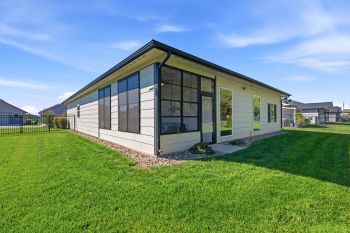
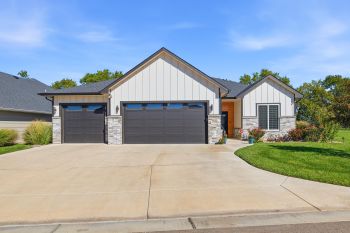
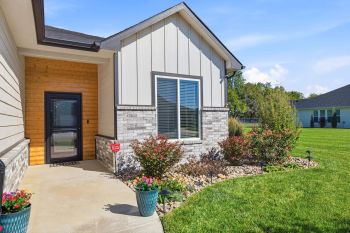


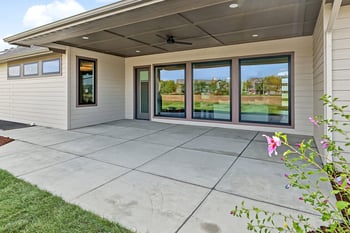
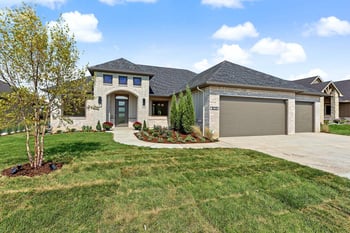
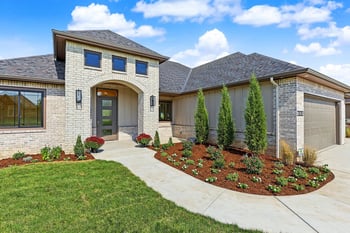
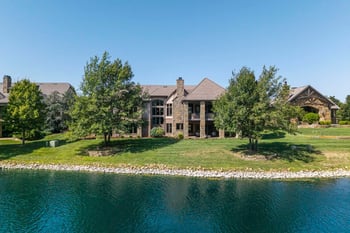
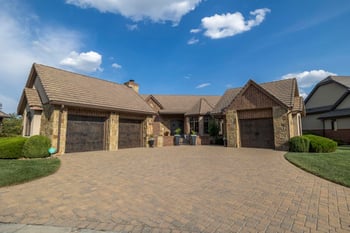
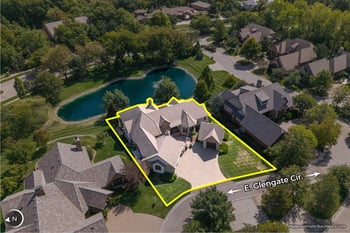
See all current Wichita patio-home listing matches
For a specific address, ask for the current documents early enough to read them before relying on a maintenance or ownership claim.
These help identify what is being conveyed and whether the property is described as a lot, a condominium unit, or another legal interest. If the wording is unclear, ask the title company or a Kansas real-estate attorney to explain it.
These should show the unit or lot boundaries, common areas, limited common areas, easements, and the recorded framework for the community. The Sedgwick County Register of Deeds records deeds, plats, and other instruments affecting real estate in the county.
These can answer whether the association regulates fences, landscaping, exterior colors, parking, leasing, pets, solar installations, or changes to the patio and yard. Kansas condominium bylaws may also address maintenance, repairs, common expenses, and use rules. (K.S.A. 58-3119)
Ask for the current fee, budget, reserve information, recent meeting minutes, pending special assessments, service contracts, and any planned major work available to the seller. Kansas law identifies records that an association keeps, including financial statements, contracts, minutes, rules, and architectural approvals. (K.S.A. 58-4616)
Ask what any association policy covers, what deductibles or gaps may be charged back, and what policy the owner must carry. Kansas condominium law allows association and unit-owner coverage to work in different ways under the governing documents. Get a property-specific quote and explanation before assuming the split. (K.S.A. 58-3125)
This is an educational checklist, not legal or insurance advice. The point is to put the right document in front of the right question.
“Low maintenance” can be useful. “Maintenance-free” is where the sentence often gets ahead of the paperwork.
One Wichita example makes the variation clear. Raintree Village describes one-, one-and-a-half-, and two-story patio homes, most with basements. Its published service list covers named lawn work in non-fenced areas, irrigation in those areas, trash, and snow removal above a stated threshold. Fenced areas and recycling are treated differently.
Other local communities publish their own mixes. Firefly names lawn care, trash, and snow removal. An Edgewater community document names mowing, fertilization, snow, and trash.
Those are examples, not a Wichita standard. A lawn-mowing line item is not a roof warranty in disguise.
If step-free movement matters, begin before you reach the front door. Follow the route you would actually use from the street, driveway, or parking area.


See all current Wichita zero-entry listing matches
These terms do different jobs:
That is why “patio home versus condo” can be the wrong first question. A property can be marketed as a patio home and use condominium ownership. Another can be marketed the same way while the buyer owns a house and lot subject to association rules.
Compare the deed, boundaries, shared obligations, service list, and rules. The architecture alone will not settle it.
Bring this short list when you call about a property:
The important questions are property-specific: What does the HOA actually maintain? Where does the homeowner’s responsibility begin? Is the home truly zero-entry? Does it have a basement? And what fees, rules, or restrictions apply to that particular community?
A patio home can be a useful search idea. It is not a complete ownership, cost, maintenance, insurance, or access description.
Use the label to find possibilities. Use the documents and the tour to decide whether a specific home works for you. You can see all current Wichita patio-home listing matches, review the home-buying process, then bring Urban Cool Homes a specific address to help organize the property questions and showing checklist before you decide whether it belongs on your tour.
Yes. Raintree Village describes one-, one-and-a-half-, and two-story patio homes, with basements in most of them. That is one local example, not a rule. Check the individual home.
No. The phrase may describe one advertised entrance. Verify the route from parking, every threshold you would use, door widths, turns, bathrooms, laundry, and the location of the main rooms.
In a Kansas condominium, a patio serving one unit can be a limited common area unless the declaration provides otherwise. The declaration should show the boundary and the governing documents should explain responsibility. (K.S.A. 58-3102)
Pause the assumption. Ask for current documents, identify the exact conflict, and have the title company, insurance professional, lender, or Kansas real-estate attorney explain the part within that professional's role before you rely on it.