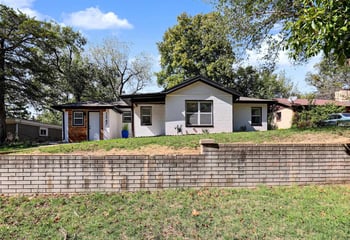
Open: Sat 12:00 PM - 2:00 PM



Updated October 6, 2026.
The Wichita area still leans toward sellers, based on September 2026 MLS data. Limited supply and a short median selling time support that assessment. Buyers should still compare the specific home with recent sales before deciding how much to offer.
The figures below cover the Wichita metropolitan area, not just homes inside Wichita's city limits. They come from the South Central Kansas MLS report prepared October 4, 2026, by the WSU Center for Real Estate. The market assessment is our interpretation of those figures, not a forecast or a guarantee for an individual sale.
| Measure | 2026 | 2025 |
|---|---|---|
| Homes sold | 740 | 798 |
| Active listings at month end | 1,914 | 1,981 |
| Months of supply | 2.4 | 2.7 |
| Median sale price | $255,000 | $245,000 |
| Median days on market for sold homes | 11 | 15 |
| Average sale price as a share of list price | 99.0% | 98.9% |
Source: September 2026 Wichita Metropolitan Area Housing Report, pages 1–2 (PDF), available through REALTORS of South Central Kansas's market reports.
Months of supply estimates how long the available inventory would last at the report's sales pace. At 2.4 months, buyers have a limited supply to choose from. The 11-day median selling time and higher median sale price also support a seller-leaning assessment.
That does not mean every listing will sell quickly. The 11-day figure is the midpoint of the reported selling times for homes that sold during September; it does not describe the age of every home still for sale. Some sales took much longer. The report's average was 33 days, showing why “typical” and “average” are not interchangeable.
The September median sale price was $255,000, up 4.1% from a year earlier. That is the midpoint of the homes sold in the reporting area, not a valuation of your house. Changes in which homes sell can change the median without every property's value moving by the same percentage.
Do not compare that sale-price figure directly with an asking-price median or an automated home-value estimate. Asking prices describe what sellers want; closed prices describe completed transactions. For your own decision, compare recent sales of similar homes in the same area and price range.
Sometimes. The report's average sale-to-list-price ratio was 99.0%, while its median was 100.0%. Neither figure promises a discount. They also do not tell you every sale's repair credits, closing-cost concessions or total buyer expense.
Before making an offer, ask about the home's time on market, price changes, condition and competing offers. Compare it with similar recent sales. A house needing repairs or sitting longer than its closest competitors may justify a different offer from a newly listed, well-priced home.
If you are comparing financing, our first-time homebuyer mortgage guide explains the main loan choices and the costs to compare. Approval and assistance depend on your lender and the program.
Build your asking price from recent comparable sales and the listings buyers can choose instead of yours. Account for condition, repairs, size and location. A seller-leaning market does not make an unsupported asking price realistic.
Agree with your agent on when to review showing activity, buyer feedback and new competing listings. Compare offers by estimated proceeds and terms as well as price. A high offer with a large credit or uncertain financing may be less suitable than another offer, depending on your priorities.
Ask for recent closed sales, active competitors and selling times for homes like yours. Separate new construction, condos, townhomes and houses with major repair needs when the differences affect your purchase. For a condo or townhome, review association dues, reserves and any announced assessments alongside the price.
These September figures are a dated market snapshot. They do not establish what October will bring or what a particular seller will accept. Browse Wichita homes for sale, or contact Urban Cool Homes to discuss the comparable sales and current competition relevant to your home.