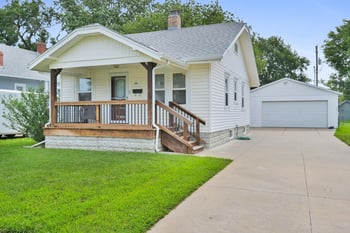
New - 1 Day Ago
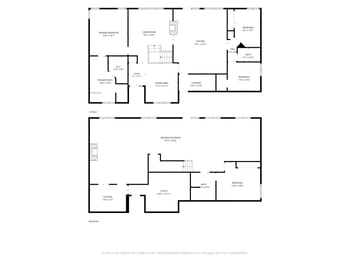
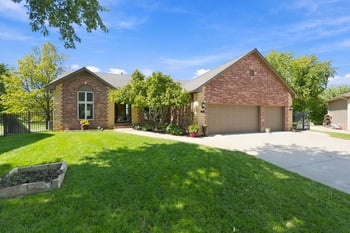

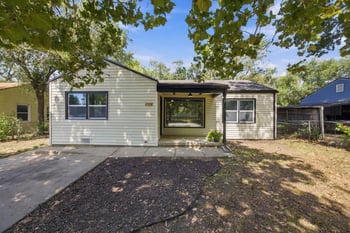
$475,000
Active
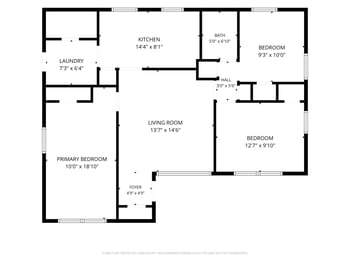
4
Beds
3
Baths
3514
Sqft
0.3
Acres
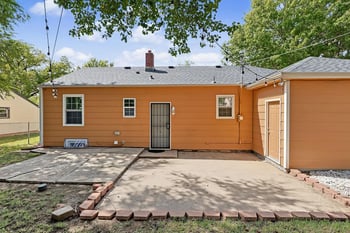
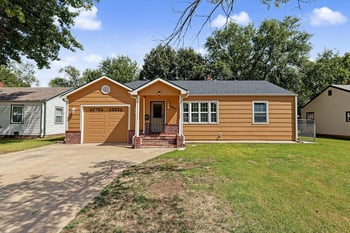
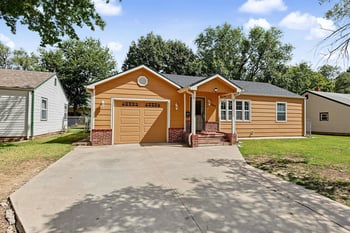
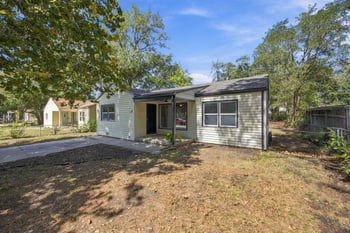
1017 N Cedar Park Cir, Wichita, KS 67235
MLS#: SCK679378
Wichita, Kansas
Moving to Wichita starts with four practical questions. Where will you go every week? What can you comfortably spend each month? When do you need to be moved in? And are you ready to buy, or would renting first give you useful time to learn the city?
Working near McConnell Air Force Base creates a different location decision from commuting to Wichita State University, Downtown, one of the major medical campuses, or the airport. A purchase that depends on another home selling also requires a different plan from a move with flexible timing.
This guide will help you understand Wichita’s layout, compare housing choices, account for ownership costs, and decide what needs to be settled before you choose an area or home.
Before You Search
Begin with the parts of the move that are already settled.
A firm job-start date or one fixed workplace can narrow the search quickly. So can regular medical appointments, weekly obligations, or a home that must sell before the Wichita purchase can move forward.
Your monthly housing budget matters too. Consider how much you can comfortably spend each month and how much of your savings will be available for the down payment, closing costs, moving, and any work needed after you buy.
Then define what you need in a home. A basement, one-level layout, newer construction, land, or a home that needs little immediate work can change which listings belong in the search.
When the dates, finances, destinations, and essential home features are reasonably clear, current listings become more useful. When they are not, the next step may be to resolve a financing question, compare locations, or learn more about Wichita before buying.
You do not need every answer today. You do need to know which answer comes next.
Daily Travel
Your weekly schedule provides the most useful way to compare Wichita locations.
Downtown, Wichita Dwight D. Eisenhower National Airport, Wichita State University, Ascension Via Christi St. Francis, Wesley Medical Center, and McConnell Air Force Base sit in different parts of the city. A normal week can pull you in more than one direction.
Wichita’s major road network includes I-135, I-235, K-96, and U.S. 54/U.S. 400, commonly called Kellogg. Kellogg is an important east-west reference, but no road makes every destination equally convenient from every address.
People often describe Wichita in terms of east Wichita, west Wichita, Downtown, Kellogg, or being inside I-235. These labels are useful shorthand. The exact address matters more.
Test the drive to work, the airport, medical appointments, and the other places you expect to visit regularly. Check the trip at the time of day you are likely to make it. Mileage alone may not reflect access points, street connections, road construction, or the direction of travel.
Current roadwork and closure information is available through KDOT’s Wichita Metro Updates.
Wichita Transit publishes current routes, schedules, fares, and rider information. Compare a prospective home with the stop, schedule, and destination you would actually use.
For regional travel, review current flights, airline information, and parking through Wichita Dwight D. Eisenhower National Airport.
Local Boundaries
Location names are useful, but they do not all describe the same kind of area.
A Wichita-area home search can cross a city limit, county line, school-district boundary, or utility area. That can change which public records, service providers, taxes, or local requirements apply.
Within Wichita, Downtown has a city-published neighborhood-association boundary. Delano appears in City planning materials. A smaller part of Delano is also covered by a zoning overlay. Historic Midtown has a formal planning boundary, while Old Town has a defined zoning overlay.
Most people moving to Wichita do not need to study every planning boundary before beginning a search. The practical point is simpler: a familiar name does not always tell you which official boundary or requirement applies to a particular home.
Check the address when the distinction matters.
Helpful City resources include:
When a school boundary matters, the Wichita school-boundary home search can provide a starting point. Confirm the assignment directly with the responsible school district.
Timing the Decision
Buying soon can be practical when your job location, weekly schedule, financing, savings, move date, and essential home needs are settled enough to support an active search.
Renting first can provide useful time when Wichita is still unfamiliar, your job location or schedule may change, visits are limited, or you are not yet sure how local shorthand such as east, west, Kellogg, or I-235 relates to your daily routine.
What is actually for sale matters too. A firm move date does not guarantee that a suitable home will be available at the right time.
Renting first has tradeoffs. Lease terms, storage, temporary housing costs, and moving twice can all affect the plan. Buying immediately also carries a tradeoff: you must choose a location and property before you have spent much time living in the city.
If you can identify suitable locations and home requirements without relying on major assumptions, it may be practical to begin an active purchase search. If the move still depends on questions that only time in Wichita can answer, renting first may reduce the pressure to choose too quickly.
Housing and Costs
The type of property you choose affects the maintenance you handle, the costs you pay, and the rules or shared responsibilities that may apply.
With a detached home, you will usually be responsible for the roof, exterior, yard, and driveway. A townhome or condo may shift some exterior maintenance to an association while adding dues, rules, shared elements, and approval requirements.
Land and acreage introduce questions about access, utilities, water, wastewater systems, site conditions, and future use. New construction requires a careful look at the contract, warranties, association documents, lot conditions, taxes, included features, and any work left after closing.
Condition matters as much as age.
Two homes built in the same period can have very different roofs, mechanical systems, foundations, drainage, finishes, and maintenance histories. A home that looks updated may still have older major systems. Another may have older finishes but more recent structural or mechanical work.
For an individual home, ask about:
The answers depend on the individual property.
The full cost of ownership also extends beyond the mortgage.
Sedgwick County’s property and tax records show who owns a property, its assessed value, its lot and building details, and its tax bill.
Utility providers also depend on the address. The City provides Wichita water and sewer information, while electricity, natural gas, internet, and trash may involve other providers.
The City’s utility and service information provides a useful starting point. Confirm the providers, account requirements, and available service for the property you are considering.
Some Wichita-area properties use a private well or an on-site wastewater system. When either is present, review the permits, testing, condition, maintenance responsibilities, and current county requirements.
Weather Preparation
Wichita’s long-term climate includes summer heat, freezing temperatures, snowfall, thunderstorms, and severe weather.
The National Weather Service Wichita climate information provides long-term local records. Its event archive documents tornado, wind, hail, flood, and winter-weather events.
Set up weather alerts when you move. Outdoor sirens should not be your only warning source, so Sedgwick County recommends using more than one way to receive alerts. You can review and register for Sedgwick County emergency alerts.
For a specific home, ask about roof age, roofing material, prior repairs, drainage, grading, lower-level water history, trees, and exterior condition.
Get an insurance quote early. When comparing quotes, ask how wind and hail deductibles work and whether the policies differ in ways that could change your costs after a claim.
A roof may appear serviceable while its age, repair history, material, or insurance terms change what the home costs to own.
Standard homeowners insurance generally does not cover damage caused by rising floodwater. Review the proposed policy with an insurance professional for the property under consideration.
Check the address through the City’s flood information and the FEMA Map Service Center. Discuss the result with the lender and insurer when it affects the purchase.
Moving From a Distance
Some people make one dedicated visit before deciding where to focus. Others begin the search after one member of the household has already started working in Wichita.
When visit time is limited, narrow the search before you travel. Focus on the weekly trips, home condition, lot, utility providers, ownership costs, and features that determine whether a property stays under consideration.
Use your visit to answer questions that listings, maps, records, and professional reports cannot resolve. A shorter, well-chosen list is usually more useful than trying to see every possible home.
Plan the move date alongside the contract and loan timeline. Inspection, appraisal, title, insurance, move-in, and closing dates can all affect travel and moving arrangements.
If another home must sell first, connect the two transactions before making an offer in Wichita. Sale proceeds and the expected closing date affect what you can buy and when. So do move-out timing, temporary housing, moving costs, and the risk of carrying two monthly payments.
Learn more about buying a home with Urban Cool Homes, planning the sale of your current home, and relocation help for Wichita.
Before sending money, call the lender, title company, or closing professional at a trusted number and confirm the wiring instructions directly.
Official Sources
Use current information from the agency responsible for each requirement.
Requirements and providers can change. Check the current instructions as part of the move.
Relocation Help
Urban Cool Homes can help you:
Share your move date, workplace, weekly destinations, monthly housing budget, home needs, visit schedule, and whether another home must sell before the Wichita purchase can move forward.
Learn more about Urban Cool Homes or meet the team.
Urban Cool Homes | LPT RealtyReady to Compare Listings
Once the location, property type, layout, and maintenance responsibilities are clearer, the current listings become easier to use.
Start with all Wichita homes for sale.
You can also search by ZIP code or begin with the school-boundary search when a particular boundary matters. Confirm any school assignment directly with the responsible district.