Open: Sun 1:00 PM - 3:30 PM





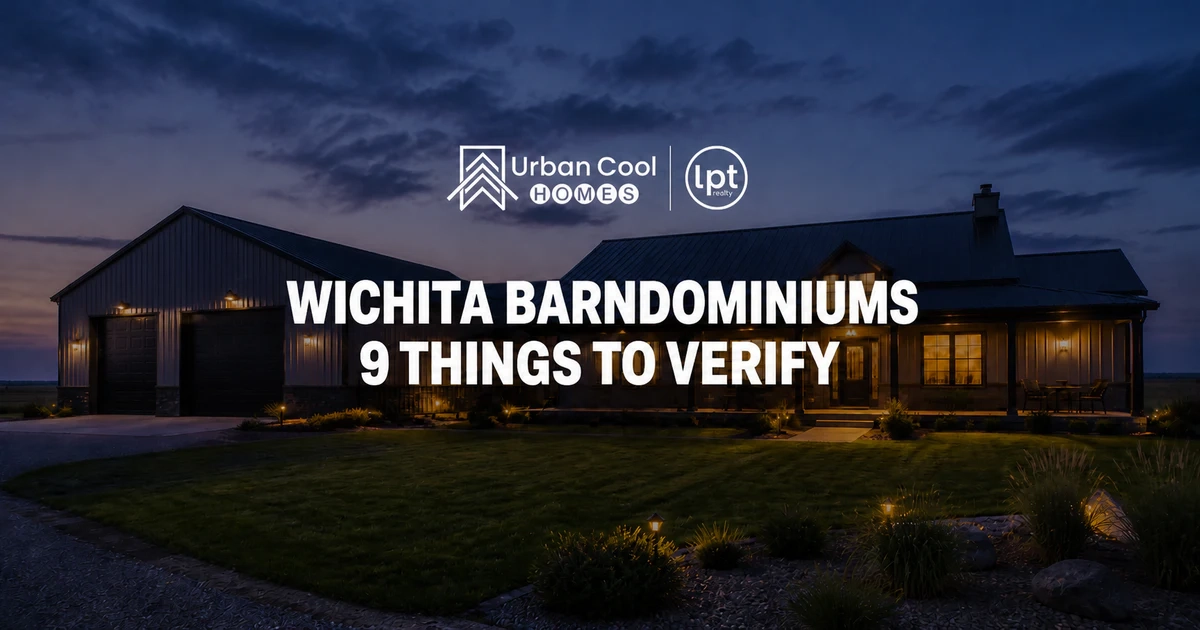
Barndominium is an informal real-estate or marketing label, not proof of residential approval, recorded living area, financing, insurance, utilities, or permitted use. The shop or acreage may be the reason you looked closer, but the offer should be built around the exact property's records, lender path, insurance quote, construction, utilities, access, acreage, and intended shop use.
You do not need every answer before making an offer. You do need unresolved questions to shape review periods, contingencies, inspections, and other appropriate contract protections before you remove them.
This explainer is educational, not legal, tax, lending, insurance, engineering, or inspection advice. Ask an attorney, CPA, licensed lender, insurance professional, inspector, or engineer when the question belongs to that professional.
Use the listings as a starting point, not as proof that every property works the same way. Current local uses of the word can cover different mixes of finished living area, acreage, attached or detached shop space, outbuildings, and utility setups.


Start with residential use because the listing label does not answer the approval question. Ask for seller disclosures, available plans, permits, inspections, certificates, and any documents showing how the living space was approved.
For properties in Sedgwick County's Metropolitan Area Building and Construction Department jurisdiction, MABCD processes building and trade permits for dwellings, additions, renovations, accessory structures, wastewater systems, and wells. MABCD also provides an online permit lookup, and its building inspectors review construction, alterations, and repairs for compliance with adopted codes and approved plans.
The practical move is to verify the correct jurisdiction first. A property inside Wichita, unincorporated Sedgwick County, or a nearby city may route questions differently. Treat each record as a question starter, not a final answer about condition, approval, or allowed use.
Separate the home from the shop on paper before you rely on any square-footage number. The important question is how much space is finished, conditioned residential living area versus shop, garage, loft, porch, storage, or unfinished area.
Sedgwick County provides public property appraisal information, and MABCD permit records may help you compare what the county has on file with the listing, seller disclosures, and available plans. Current local listings using the same label vary in living area, acreage, and accessory-space descriptions, so one example should not be treated as the template.
For example, a property could be advertised as 3,000 square feet while the file separates 1,800 square feet of conditioned living space from 1,200 square feet of shop, loft, porch, storage, garage, or unfinished area. That split changes what you ask the lender, insurer, and inspector.
Send the exact property to the lender before you rely on a generic preapproval. A preapproval based on income and credit does not answer every property question, especially when the home includes acreage, unusual construction, a large shop, or mixed residential and accessory space.
Send the exact address, listing, available plans or records, living-area breakdown, acreage, shop description, and intended use. Ask whether the property, use, and appraisal path need extra review under the loan program you plan to use. For a plain overview before that conversation, you can compare the main home-loan types.
Fannie Mae guidance says comparable sales should have similar physical and legal characteristics, and appraisers should explain why selected comparable sales are appropriate. That means the appraiser's ability to support value may depend on the specific property and the available comparable sales, not the word barndominium alone.
Get a property-specific insurance quote before the applicable contingency deadline. Do not rely on a general premium guess for a metal-building home, shop house, acreage property, or property with large accessory space.
Kansas insurance guidance says a quote commonly uses a home description, square footage, loss history, protective devices, and distance from fire services. The same guidance advises consumers to ask about exclusions and replacement cost versus actual cash value.
Ask the insurance professional to quote the dwelling, shop, other structures, and intended use. Ask how the policy treats replacement basis, exclusions, deductibles, wind or hail questions, water or sewer backup, detached buildings, equipment, business property, and any activity you plan to do in the shop. Keep the answer in writing before you remove protections.
Inspect the building shell and the finished living space as related but separate systems. A barndominium may include residential rooms inside or attached to a larger structure, so one clean-looking interior tour is not enough.
MABCD publishes separate minimum standards for post-and-frame pole-barn construction, and MABCD building inspectors review construction, alterations, and repairs for compliance with adopted codes and approved plans. That is a reason to ask qualified inspection questions, not a do-it-yourself technical standard.
Ask the inspector about roof and wall systems, structural connections, insulation, moisture or condensation evidence, foundation, HVAC, plumbing, electrical, fire separation, and later additions. If the structure or modifications raise engineering questions, ask the right specialist. For process context, see how a Wichita home inspection works.
Verify utility systems by address instead of assuming the property is rural, urban, public, or private. A Wichita-area barndominium could raise different questions depending on its location and jurisdiction.
Ask whether water is public or private, whether wastewater is public sewer or an on-site system, and what records exist for maintenance, repairs, permits, and service providers. In unincorporated Sedgwick County, MABCD regulates septic, lagoon, and advanced wastewater systems, and an on-site wastewater permit is required when public sewer is unavailable.
If the property uses a well, ask for records and the correct jurisdiction. MABCD requires permits before constructing, reconstructing, plugging, or treating water wells in jurisdictions covered by the county water-well code. Also verify fuel source, internet serviceability, provider requirements, and any equipment that must transfer with the sale.
Confirm legal access and physical access before you treat the acreage as usable. A driveway that looks usable is not the same as title access, recorded easements, road maintenance responsibility, or emergency access.
Ask the title company or attorney to explain easements, shared drives, private roads, maintenance agreements, boundary questions, and any restrictions that affect access. Ask the inspector or appropriate local office about driveway condition, drainage paths, culverts, grading, and whether water appears to move toward the building, shop, or on-site wastewater area.
Floodplain questions also belong in the property file. Development in designated special flood-hazard areas in Wichita or unincorporated Sedgwick County requires MABCD review and permitting. A visual tour or generic map view does not settle legal access, easements, drainage, or floodplain requirements.
Inventory the land and structures before you price the property in your head. The acreage may be part of the appeal, but the contract needs to say what comes with it and what is excluded.
Current Wichita-area listings using the barndominium label differ in acreage and accessory-space descriptions. That is why you should list every structure, fence, gate, driveway, utility connection, well or wastewater component, shed, lean-to, storage area, equipment item, and fixture that matters to you.
Compare the listing and seller disclosures with county appraisal information, permit records where applicable, the survey if available, and the title commitment. Ask which items are real property, which are personal property, which are leased, and which require a separate written agreement if you want them included.
Owning a shop is not the same as being allowed to use it for every activity. The exact use matters: hobby work, storage, customer visits, employees, signage, vehicle work, noise, deliveries, animals, equipment, or commercial activity can raise different questions.
If the property is in Wichita, the city publishes home-occupation guidance. If the property is outside Wichita, verify the rules with the correct city or county office. Also review recorded restrictions, title documents, HOA documents if any, and any permit history tied to the shop or accessory structure.
Then send the intended use to the lender and insurer instead of assuming the space is acceptable because it exists. Ask whether the activity changes insurance treatment for the dwelling, shop, equipment, business property, visitors, or exclusions. Put the answer in writing before you rely on the space for that use.
The safest practical sequence is to build the property file while you still have time to ask questions, renegotiate, or decide how to proceed under your contract. If you want a broader timeline view, review the home-buying process before you remove protections.
Before removing contingencies, your property file should include:
If you want help sorting a specific address, bring the listing, records you already have, and the unanswered questions; our team can help organize what to ask next without pushing you to rush the contract timeline.
Start with the exact address, then turn every unanswered item into a written question before the next contract deadline.
Do not treat barndominium as a legal classification by itself. Treat it as a marketing word, then verify the property's residential approvals, permits where applicable, zoning or use rules, construction records, and county appraisal information. The key question is not what the listing calls it; the key question is what the records and correct local offices say about that exact property.
There is no universal yes or no. Financing review depends on the borrower, property, acreage, construction, comparable sales, intended use, and loan program. Send the lender the exact address, listing, available records, living-area split, shop description, and intended use early. Fannie Mae's comparable-sales guidance makes the appraisal path a property-specific question.
Ask for an inspector who will look at both the shell and the finished living systems. The inspection should address roof and wall systems, structural connections, foundation, insulation, moisture or condensation evidence, HVAC, plumbing, electrical, fire separation, and later additions. If the structure raises engineering questions, ask for a qualified engineering review.
No. Verify water and wastewater for the exact address. Some properties may have public water or public sewer, while others may use a private well or on-site wastewater system. In unincorporated Sedgwick County, on-site wastewater systems are regulated by MABCD, and MABCD also has water-well permitting rules in covered jurisdictions.
Not from the label alone. Verify the exact activity against the correct city or county rules, recorded restrictions, title documents, insurance policy terms, and lender requirements. A quiet hobby workspace is a different question from customer visits, employees, signage, deliveries, vehicle work, equipment storage, or commercial operations. Put the answer in writing before you rely on it.