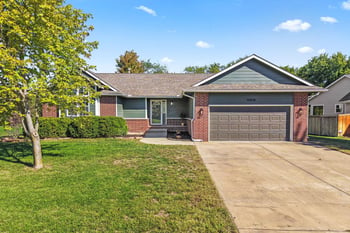
Open: Sun 2:00 PM - 4:00 PM







Prepare for mortgage preapproval by organizing your financial records, asking each licensed lender the same concrete questions and setting a home-search ceiling from your own budget. The useful outcome is clarity about what the lender reviewed, what remains unresolved and which monthly payment fits your household.
For file-specific loan terms, rates or approval questions, speak with a licensed lender. Consult an attorney for legal advice and a CPA for tax advice.
A mortgage preapproval letter is a conditional statement from one lender, not guaranteed final financing or a recommendation to spend the full amount shown. The lender based the letter on the information reviewed and the assumptions stated or used during that review.
The terms “prequalification” and “preapproval” do not describe a universal level of verification. One lender may review documents and credit before issuing a letter, while another may rely more heavily on information you report. The CFPB’s preapproval guidance recommends clarifying what the lender evaluated.
Ask these questions when the letter arrives:
There is no universal turnaround time or expiration period. A preapproval also does not require you to use that lender, and its stated loan amount does not establish what your household can comfortably spend.
Gather current records that match how you earn income and where your purchase funds will come from, but get the lender’s exact list before uploading anything. Document types and date ranges can vary by lender, loan program and financial situation.
Common categories include:
Keep pay stubs and account statements current during the process. Self-employed, seasonal or irregular income may require additional records, but do not assume every lender requires the same tax-return period or two years with the same employer.
These document categories are a practical preapproval list. They are separate from the six pieces of information that trigger an official Loan Estimate, which are covered later.
Send Social Security numbers, account statements and other sensitive records only through the lender’s secure submission method. Do not send them to Urban Cool Homes, a real estate contact form or an email recipient who has not provided a secure lender channel.
Ask every lender the same questions so you can compare the depth of review, process and availability rather than comparing labels alone. A local office or a familiar term such as “preapproval” does not answer what was actually evaluated.
Use questions such as:
There is no required universal turnaround period. Requesting comparable information from multiple licensed lenders can clarify the differences, and receiving a preapproval letter does not obligate you to close with that lender.
Before using a preapproval letter, confirm that its amount, assumptions, dates and contact information still match your situation. Do not assume every letter remains valid for 60 or 90 days.
Review the following details:
Ask what a renewal requires before the letter expires. If you are considering a financial change, ask the lender how it could affect available cash, credit review or required documents before making the change.
A preapproval expiration date is not the same thing as a mortgage rate-lock expiration date. Ask separately whether any rate is locked, what the lock covers and when it expires. A preapproval letter alone should not be treated as proof of a locked rate.
Share the letter needed for an offer, not the private documents behind the application. Financial records should remain in the lender’s secure system.
A comfortable home price is one that leaves room for the full housing payment, other household expenses and emergency savings—even when a lender is willing to approve more. Build the search limit from your budget rather than treating the letter’s maximum amount as a spending target.
Estimate the complete monthly cost, including:
Taxes and homeowners insurance require property-specific estimates. For a Wichita address, review the city’s special-assessment information rather than assuming a standard local charge. For an address in Sedgwick County, inspect the Sedgwick County real estate and tax records. A nearby property in another county requires that county’s records, and a county appraisal should not be treated automatically as the current market sale price.
Two homes with similar prices can produce different monthly costs because taxes, insurance, HOA dues, assessments and maintenance needs are property-specific. The practical search ceiling is the price at which those combined costs still fit your household budget.
Compare official Loan Estimates once you have a property address and can give each lender the six pieces of information required for a mortgage application: your name, income, Social Security number for a credit check, property address, estimated property value and requested loan amount.
A lender cannot require supporting documents merely to issue the Loan Estimate and must normally provide it within three business days after receiving those six items. Verification and additional document requests can still be required later for loan approval.
For a useful comparison, ask lenders to price the same loan amount, term and product at about the same time. Use the CFPB Loan Estimate explainer while comparing:
Points increase the upfront cost in exchange for a lower rate. Lender credits may come with a higher rate. Cash to close includes the down payment and closing costs after deposits, agreed credits and other adjustments, so a low down payment does not represent the full amount needed for the purchase. Taxes and insurance remain your responsibility even when they are not collected through escrow.
A preapproval does not bind you to its lender, and an official Loan Estimate is not final loan approval. The lender must still verify the application and complete the remaining review. For broader product questions, see the first-time homebuyer mortgage options guide. If a file is stalled because of a missing record or qualification issue, use the separate mortgage qualification troubleshooting guide.
Your next step is to send the same question list to each licensed lender and request a document list tailored to your income and funding situation. Compare official Loan Estimates only when the lenders can price the same property and comparable loan terms.