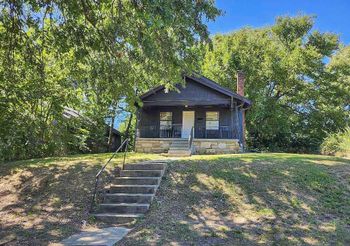
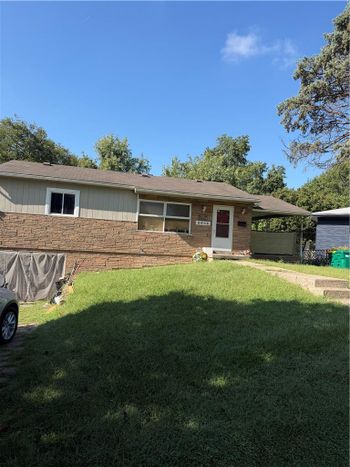
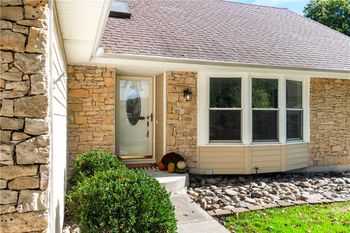
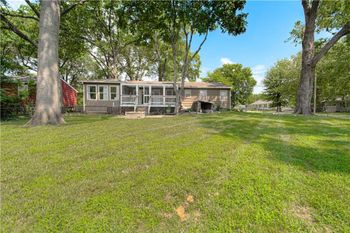
New - 15 Mins Ago
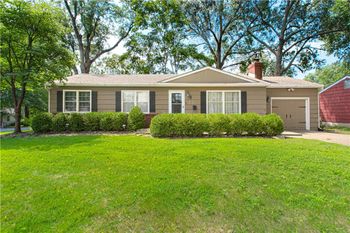
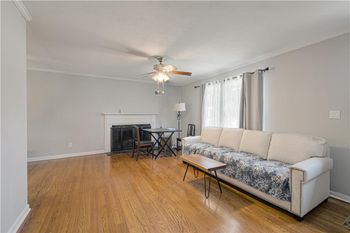
$305,000
Active
3
Beds
3
Baths
1982
Sqft
0.27
Acres
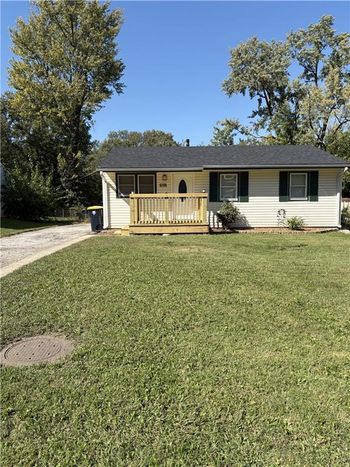
15001 E 48th St, Kansas City, MO 64136
MLS#: HMS2646735




The direct answer is to match a condo’s monthly dues to its documented responsibilities, reserve funding, planned work and unit-specific assessments before judging its cost. The dues figure is only one part of the decision. Collect the association packet early enough for the lender, insurer, agent and, when needed, a qualified Missouri real estate attorney to review property-specific questions before the contract deadline.
Missouri’s resale-document process is conditional, so establish which rules apply before relying on a standard checklist or timeline. Where Missouri’s resale provisions apply, the materials can include declarations, bylaws, rules and a certificate addressing finances, reserves, planned capital spending, assessments and insurance. Applicability and transaction exceptions depend on the condominium and sale. They are not blanket rights for every Kansas City, Missouri condo.
Use this five-part worksheet to connect each document to a decision:
| Document | Question it answers | Follow-up |
|---|---|---|
| Current budget and recent financial statements | What do regular dues fund now? | Ask about stale figures, unusual expenses or conflicting totals. |
| Reserve balance and study, if available | What shared work has been estimated and funded? | Compare the study date and assumptions with current plans. |
| Planned-work list and recent meeting minutes | Which components may need repair or replacement? | Ask for expected timing, cost and proposed funding. |
| Assessment notice | What has been proposed or approved? | Confirm this unit’s amount, payment dates and remaining balance. |
| Declaration, rules and responsibility chart | Which costs belong to the association or unit owner? | Clarify roofs, windows, balconies, plumbing, HVAC and other disputed boundaries in writing. |
A missing document means the question remains unanswered; it does not by itself prove concealment or poor management. Ask for written clarification when dates, balances or descriptions conflict.
The age of the building is also different from the date the condominium was legally created. An older warehouse converted into condominiums recently may require a different analysis from a condominium created before September 28, 1983. Section 448.1-102 lists selected provisions applying to older condominiums, and section 448.4-109 is not in that list. Section 448.4-101 also addresses applicability and exceptions. Request the declaration, creation date, amendments and any relevant elections, then ask a qualified Missouri real estate attorney which resale process and timing apply. These Missouri provisions should not be applied to a Kansas condominium.
A reserve balance becomes useful only when it is compared with the work the association expects to fund. Treat a reserve study, if available, as a planning estimate based on component life, timing and cost assumptions—not as proof that every future expense is covered.
Start with the components: roof, elevators, exterior walls, parking structures, windows or other shared systems assigned to the association. Then compare planned timing and estimated costs with the current reserve balance, annual contributions and any proposed borrowing or assessment. There is no universal reserve percentage that establishes adequate funding, and a reserve balance cannot guarantee that an assessment will never occur.
This comparison also matters in financing. For loans using Fannie Mae’s Full Review process, dated August 5, 2026, the lender reviews the project budget and reserve funding under standards that contain conditional alternatives.
Hypothetical comparison: Condo A has $300 monthly dues and a confirmed $12,000 unit assessment payable over 24 months. The assessment adds $500 per month, making the stated dues-plus-assessment outlay $800 per month during that schedule: $12,000 ÷ 24 = $500, then $300 + $500 = $800. Condo B has $600 monthly dues and no current assessment shown in the supplied packet.
Condo B therefore has the lower stated current dues-plus-assessment outlay, but neither packet proves future funding adequacy or guarantees future costs. The comparison excludes the mortgage, property taxes, personal unit insurance and utilities. Confirm the actual payment schedule and contract allocation rather than using this hypothetical to judge affordability or financing.
Determine whether each assessment is pending, proposed or approved, then identify the purpose, total unit amount, due dates and unpaid balance. Those labels matter because a discussion in meeting minutes is not the same as an adopted payment obligation.
Where Missouri’s resale provision applies, the association certificate can address assessment and financial information. Separately, Fannie Mae’s project standards evaluate critical repairs and the purpose, status and funding of special assessments. An assessment does not automatically make every project ineligible, but the lender may need supporting documents before reaching a decision.
For the transaction itself, ask who pays installments due before closing, who pays installments due afterward and whether any amount will be credited or collected at closing. Do not assume the seller must pay an assessment merely because it was approved before closing. The purchase agreement and written closing instructions should state the actual allocation.
A personal loan preapproval does not establish that the condominium project will meet the lender’s requirements. Give the lender the association documents early and ask which project-review pathway applies, what remains outstanding and whether repairs, reserves or assessments require more documentation. Fannie Mae’s Full Review is one specific framework, not a universal rule for every loan.
Insurance requires a separate review. The Consumer Financial Protection Bureau explains that condo association fees usually include insurance for common areas, while an individual owner generally needs a personal unit policy. Ask an insurance professional to compare the actual master policy with the proposed personal policy, including unit boundaries, deductibles and how either policy would respond to a loss. Do not assume a personal policy pays every special assessment.
Association review also does not replace property-specific condition questions. Ask the inspector whether radon testing is appropriate for the unit and building, and use this Kansas City radon testing guide to prepare separate questions. Radon testing is not a substitute for reviewing association finances, and the association packet is not a substitute for an inspection.
When comparing Kansas City, Missouri property options, keep the association packet beside the listing details rather than treating dues as a stand-alone price tag. Urban Cool Homes can help organize the documents, unresolved questions and next steps that need attention before a relevant contract deadline.
Use the Urban Cool Homes contact page to discuss a specific condo. Before committing, make each property answer the same three questions: What is the association responsible for, how will planned work be funded, and what will this unit actually owe?