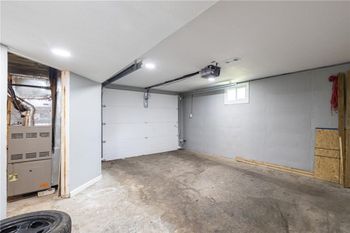
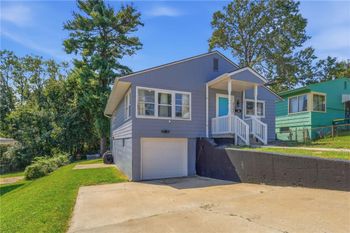
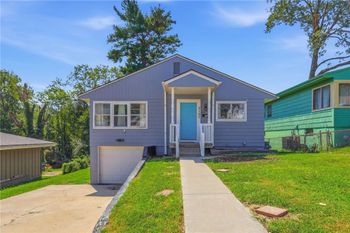
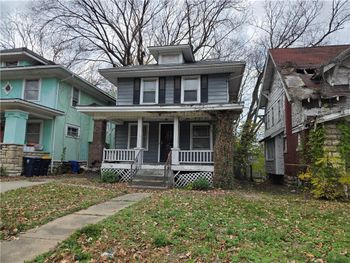
New - 2 Hours Ago

$105,000
Active
3
Beds
1
Baths
838
Sqft
0.13
Acres
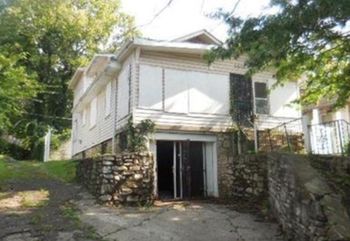
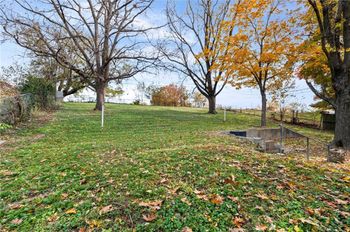
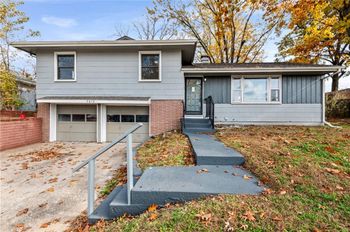
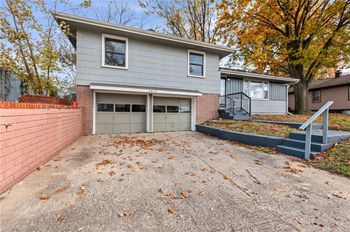
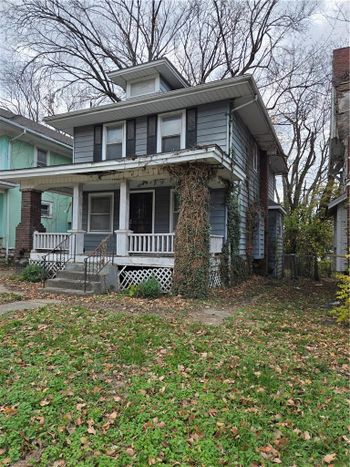
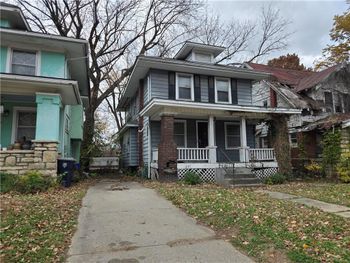
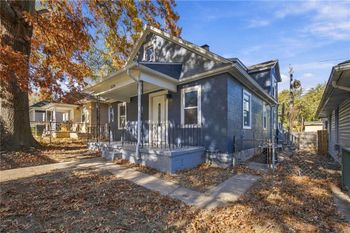
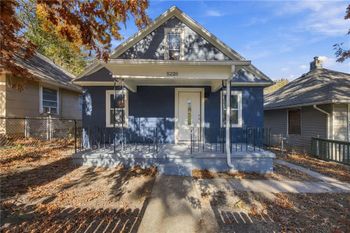
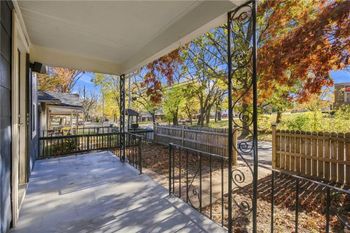
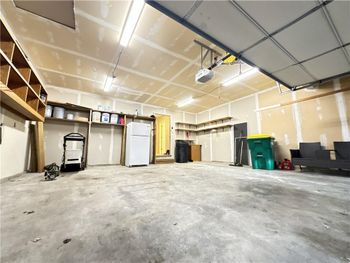
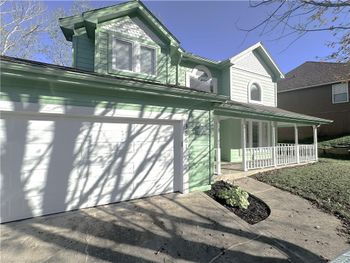
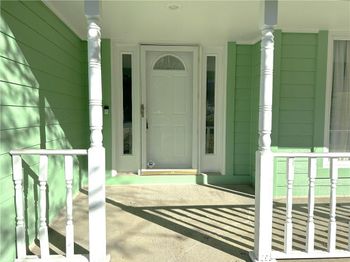
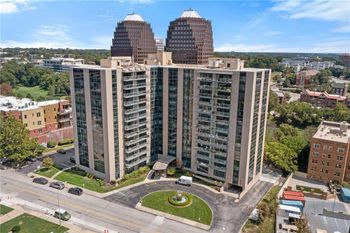
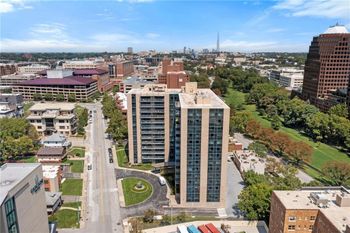
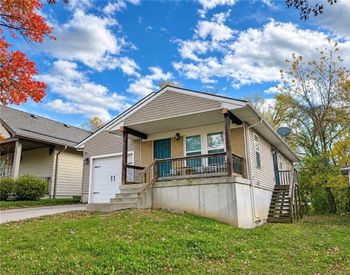
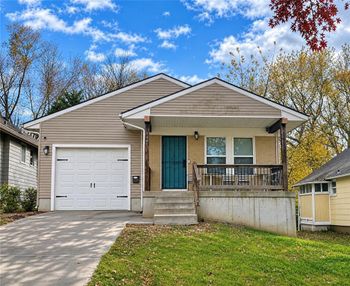
7312 Indiana Ave, Kansas City, MO 64132
MLS#: HMS2652635




Before committing to a sewer-connected home in Kansas City, Missouri, read the sewer-scope inspection report alongside the camera video. The useful distinction is between what you ordered, what the camera actually examined and what remains unknown. Use that distinction to resolve the remaining condition, maintenance-responsibility and cost questions within your actual purchase deadline—not an assumed inspection window.
A sewer scope is a video inspection of the lateral sewer line, also called the sewer service line. Do not assume it comes with a general home inspection. InterNACHI’s guidance on sewer-scope inspections explains that its general home-inspection standards do not require this work, although some inspectors offer it as an additional service.
The inspection agreement is where that distinction becomes practical. It should explain whether a sewer camera inspection is included, what portion of the line the provider intends to examine and what you will receive afterward. A quoted price alone does not tell you what investigation you are buying.
InterNACHI’s example residential sewer-scope standard calls for written findings and a recording. That association standard offers a useful reference point, but your provider’s actual agreement governs the service you have ordered. Knowing the expected coverage and deliverables gives you a basis for reading the results.
The written report connects the camera images to the portion of the line inspected. Under InterNACHI’s example standard, it should describe observed material findings, identify inspected and uninspected portions, explain why portions were not inspected and include a recording. An observation describes what the inspector saw. A limitation explains what the inspection could not establish.
Read the report and video together with that difference in mind: where did the camera travel, which observations apply to that route, and did it reach its intended endpoint? The standard also recognizes that a sewer scope cannot reveal every defect or predict future conditions. Documented coverage is useful evidence, not a guarantee of future performance.
Consider a hypothetical contrast. One report documents a camera route from the access point to the public-main connection and describes observations along that route. Another report documents a camera that stopped before reaching the main, leaving the remaining section uninspected. The first establishes broader camera coverage, not certainty about every possible defect. The second leaves the condition beyond the stopping point unknown.
Illustration only; not to scale. Camera coverage does not establish maintenance responsibility.
An early stopping point leaves a gap in the investigation. It does not establish that the uninspected section is damaged—or that it is clear. The next step is to ask the inspector what limited the inspection and what qualified follow-up could resolve that gap.
Understanding the original scope also helps you interpret a recommendation for more work. InterNACHI’s example standard does not require locating defects, measuring the line’s full length, inspecting underfloor or in-house piping, or estimating repair costs. A camera observation should therefore not be mistaken for an exact repair location, a complete plumbing evaluation or a repair proposal.
If a qualified plumber proposes access work or another camera visit, ask what the additional service would establish and whether the follow-up report will identify the newly examined portion. Closing a coverage gap and choosing a repair are separate decisions. The professional evaluating the line should explain what the findings support before you rely on a proposed remedy.
For a property served by KC Water, maintenance responsibility turns on whether the affected pipe is the public sewer main or the service line—not simply whether it lies beneath a street. KC Water’s current rules index lists the 2026 final sewer-service rules. Section 3.06 of the May 2026 rules says KC Water maintains public mains, while the property owner maintains the sewer service line from the main to the building.
A street location alone, then, does not establish that a troubling segment is the City’s maintenance responsibility. Before assigning a repair expense to either party, ask a qualified plumber to identify the affected segment and KC Water to confirm the applicable responsibility for the address. The camera findings describe the line’s condition; the utility’s rules establish the maintenance distinction. Those answers need to be connected to the same segment.
The rules also distinguish repair-permit requirements by location. Section 4 concerns City inspection of permitted work, not a homebuyer’s sewer-camera condition inspection. Evidence of a City inspection of permitted work is not a substitute for understanding the coverage and findings of the homebuyer’s sewer scope.
Confirm that KC Water is the applicable utility for the home. These rules should not be extended to every property across the Kansas City metro.
For the inspection cost, request a written quote for the service you intend to order. It should identify the planned access and camera coverage, whether the written report and recording are included, and how an incomplete visit would be handled. Keep this quote separate from estimates for additional locating, plumbing evaluation or repairs. As InterNACHI’s example standard makes clear, repair estimates are not a required part of that example inspection scope.
A follow-up estimate should explain both the work it covers and the question it is meant to resolve. Without that detail, two prices may represent different services rather than different prices for the same work. If the camera stopped early, distinguish the cost of completing the investigation from any proposed repair cost.
Those questions also need to fit your purchase calendar. The CFPB’s home-inspection guidance supports arranging an independent inspection and obtaining recommended specialist evaluation. Work within the dates and notice requirements in your signed purchase agreement. When an incomplete report or a recommendation for further evaluation arrives, coordinate the professional’s availability with the time remaining—not just the next convenient appointment.
If you are also arranging radon testing before buying a Kansas City home, put that separate appointment on the same calendar. Leave room to receive and consider the results of each service.
Inspection findings do not automatically require seller repairs or a credit, create a right to cancel, or guarantee return of a deposit. Your options depend on the signed contract and circumstances; a real estate attorney should interpret your rights. If the needed follow-up cannot be completed in time, discuss the available options before the deadline rather than assuming that a request for more time changes it.
The purchase decision is not simply whether the video looks reassuring. It is whether the written findings, remaining uncertainty, applicable maintenance responsibility and scoped costs give you enough information to proceed under your actual contract.
If your report leaves an uninspected section or an unresolved service-line question, contact Urban Cool Homes to discuss coordinating those questions with your purchase timeline. Bring the inspection agreement, written report, recording and any follow-up estimates so the conversation can focus on what remains unresolved before your deadline.