New - Just Now

$285,000
Active
4
Beds
3
Baths
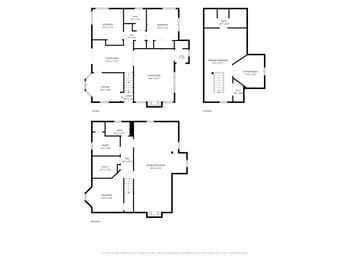
2424
Sqft
0.19
Acres
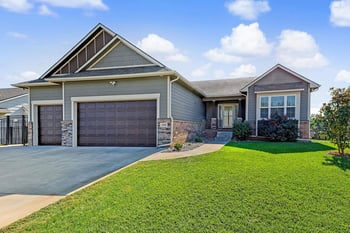
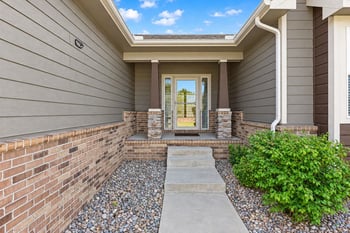
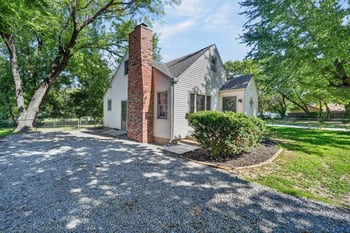
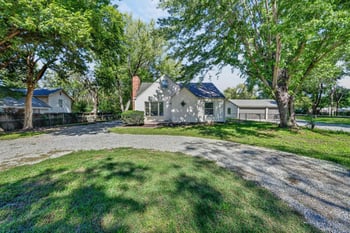
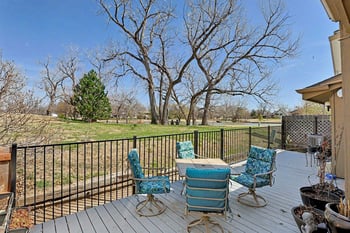
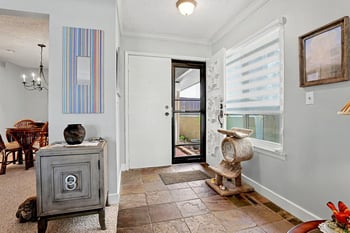
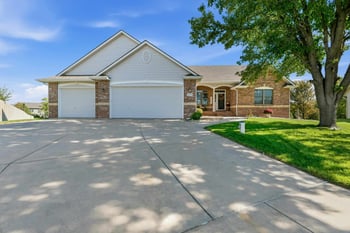
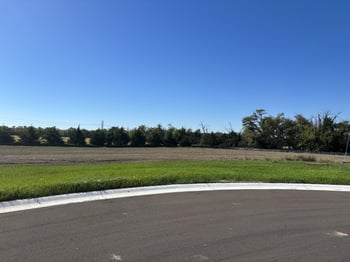
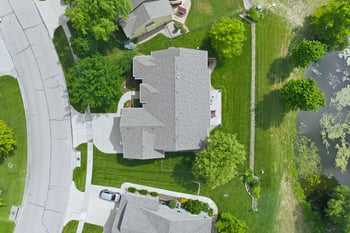
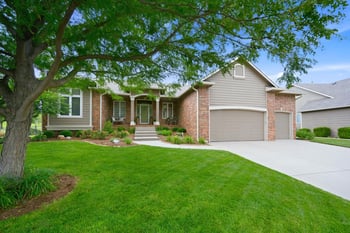
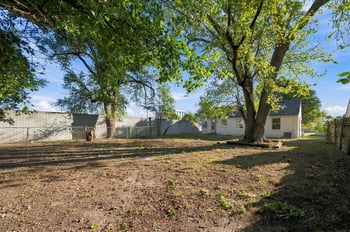
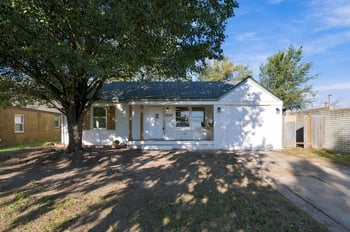
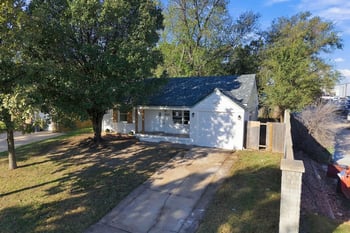
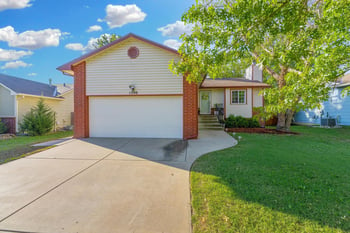
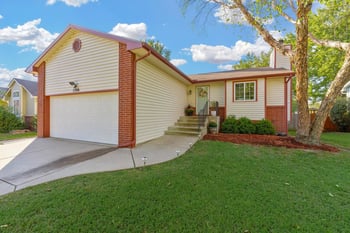
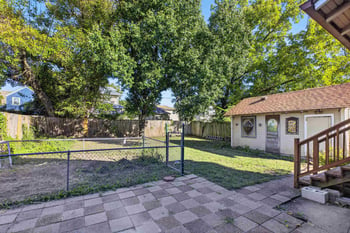
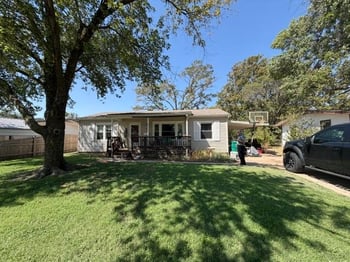
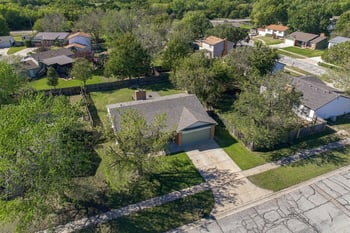
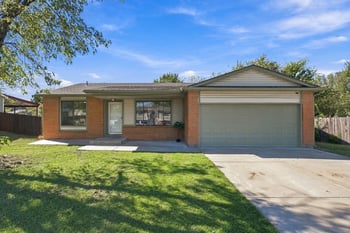
3115 N Brookfield St, Wichita, KS 67226
MLS#: SCK680300




Prepare a Wichita home listing in this order: settle the schedule and services, gather property records, examine the proposed price and possible proceeds, prepare each room, set access rules and approve the final listing. This Urban Cool Homes checklist keeps those connected decisions in sequence without prescribing the same repairs, staging or open-house plan for every home.
The right amount of preparation depends on the property, budget, household schedule and written brokerage agreement. Resolve those details before spending money or allowing visitors into the home.
Agree on dates, services, costs and who will handle each task before preparation begins. This prevents a photography date, repair bill or access decision from becoming a last-minute surprise.
Go through these points with the agent:
Put brokerage services, compensation, payment duties and separate vendor costs in writing. Kansas brokerage compensation law does not establish one universal commission percentage or automatic payer. The written agreement and applicable law control.
Photography, marketing and visitor access should be discussed at the same time. The NAR consumer guide to marketing a home offers additional questions to raise. Homeowners who have not selected an agent can use the separate guide to choosing a Wichita real estate agent.
Gather documents that explain the property, past work and known condition before the listing is written. Keep private financial records in the secure channel named by the responsible professional, not in a public contact form.
Bring together what applies to the home:
For Wichita-area permit questions, start with the address—not a generic project list. MABCD permit guidance covers Wichita, unincorporated Sedgwick County and participating cities. Another Wichita-area jurisdiction may use a different authority.
Next, describe the exact work. Replacing certain existing finishes, including paint, wallpaper, tile, carpet, cabinets or countertops, may be treated differently from an addition, new construction or structural and trade work. Ask the responsible authority whether the project needs a permit, inspection or licensed contractor before scheduling it. Owner-occupied homeowner permits have conditions and inspections, and a permit is not a guarantee of workmanship.
A home built before 1978 adds a separate disclosure step. For most covered housing, sellers must provide known lead information, available records, the EPA pamphlet and required contract language before a purchase contract. The homebuyer generally receives 10 days for a lead inspection or risk assessment. The parties may choose another period in writing, or the homebuyer may waive the opportunity.
Exemptions exist. The rule does not mean every older home contains lead or automatically requires new testing or removal. Review the EPA’s lead disclosure requirements and ask an attorney about the requirements for a particular sale.
A pre-listing inspection can be considered as a planning choice, but it should not be treated as proof that the property has no defects or as a replacement for a homebuyer’s inspection choices. Ask what question the inspection is meant to answer before ordering one.
Test the proposed list price against relevant closed sales, the home’s condition and current competition. Then calculate possible proceeds separately so the list price and estimated take-home amount are not confused.
Ask the agent to provide the written basis for the price recommendation. It should address:
For possible proceeds, start with a working sale price and subtract:
Keep already-paid repair or preparation costs visible for budgeting, but do not subtract the same expense a second time. The sale price, costs and possible credits can change, so this calculation is a planning estimate rather than guaranteed proceeds.
Brokerage fees and payment duties must follow the written agreement and Kansas compensation rules. A CPA should answer tax questions. A licensed lender or loan servicer should answer payoff questions.
Before approving additional work, use the separate guide to deciding which repairs may be worth considering.
Prepare rooms for clear photos and easy movement, not for a rigid decorating formula. Clean visible surfaces, reduce avoidable clutter and flag functional problems for a repair or disclosure decision. New furniture, empty closets and a complete style change are not automatic requirements.
Common and dining areas
Kitchen
Bedrooms and storage
Bathrooms
The EPA’s mold guidance says not to paint or caulk over mold. It also does not recommend bleach as a routine mold-cleanup practice. Extensive water damage, HVAC involvement, contaminated water or health concerns can call for professional help.
Throughout the home
Take extra care before disturbing paint in housing built before 1978. Sanding, scraping and similar work can create lead dust. The EPA recommends using a lead-safe certified contractor, while federal renovation requirements have defined scope and exceptions. Check the exact project with a qualified contractor and review the EPA’s lead-safe renovation guidance. Do not assume every paint touch-up follows the same rule.
Set appointment, key, photography and privacy rules before the first visitor arrives. A showing is generally a scheduled private viewing. An open house allows multiple visitors during an agreed period and remains optional.
Work out these details with the agent:
Private information includes mail, financial records, calendars, photographs, credentials and visible computer screens. Remove or secure those items before photos and visits—not just before an open house.
Electronic lockboxes and sign-in logs can support agreed access procedures, but they cannot guarantee security or prevent someone from copying visible information. If visitors sign in, agree on how their contact details may be used instead of treating sign-in as blanket permission for every type of follow-up. The NAR consumer privacy guide can help shape the access plan.
An open house does not guarantee an offer, price or shorter timeline. Homeowners considering one can use the separate guide to preparing a Wichita home for an open house after the basic listing and access decisions are settled.
Check the price, property facts, photos, disclosure timing and access plan together before approving the listing. The final review should show what has been completed and what remains unresolved.
Verify each item:
A Kansas seller’s agent has a statutory duty to disclose known adverse material facts. Review the Kansas seller-agent statute and ask an attorney about legal questions for the sale. Cosmetic work or “as-is” wording should not be used to hide a known condition issue.
This checklist is informational only, not legal, tax or lending advice. Review it with the agent, put a name and deadline beside each unresolved item, and approve the listing only after required corrections and permissions are settled.