New - 15 Mins Ago
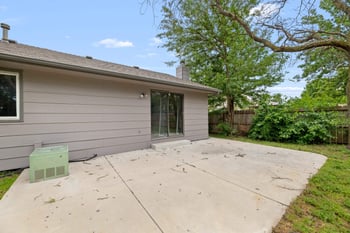
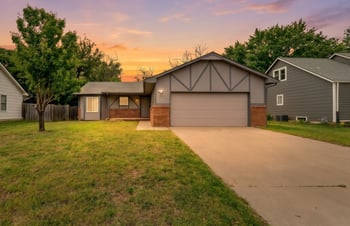
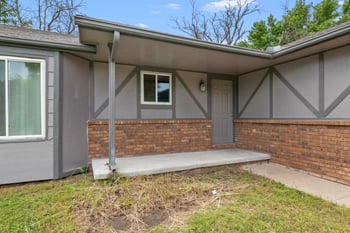
$250,000
Active
3
Beds
3
Baths
2073
Sqft
0.24
Acres
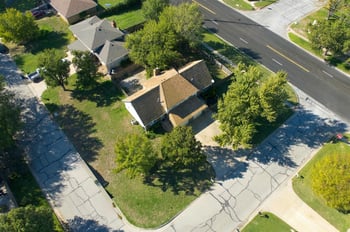
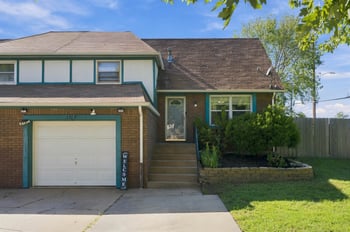
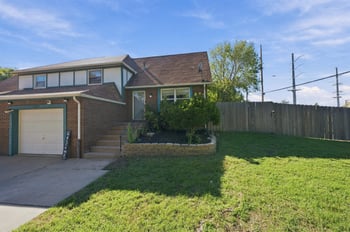
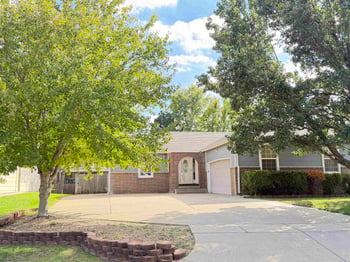
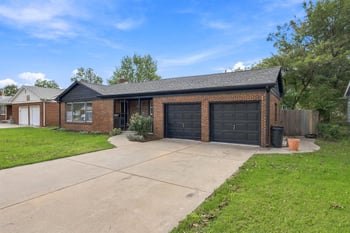
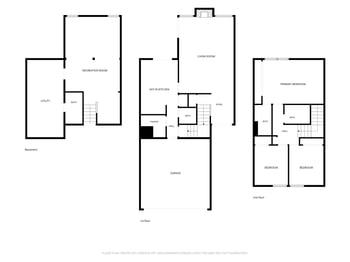
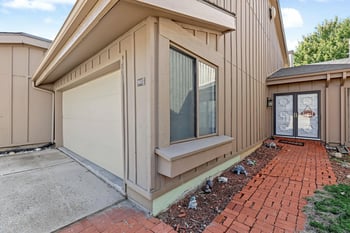
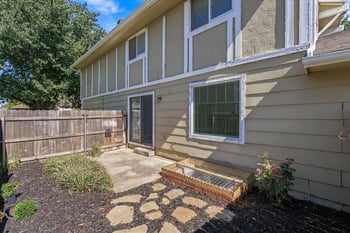
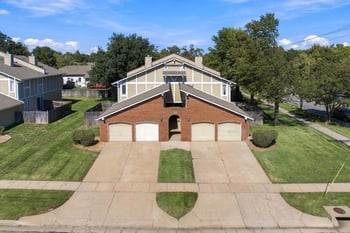
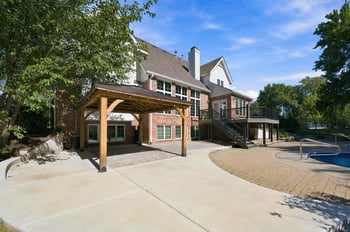
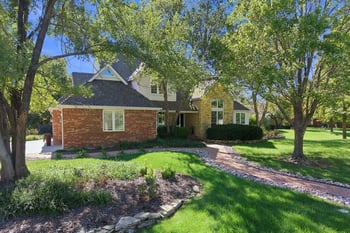
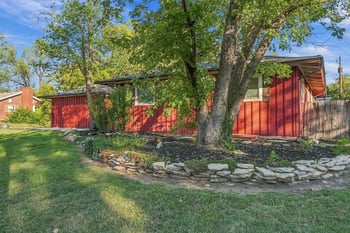
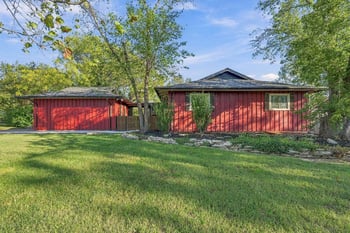
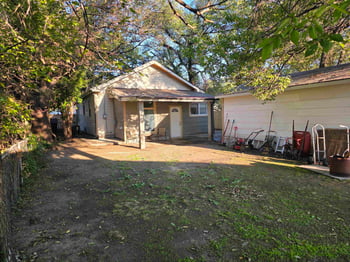
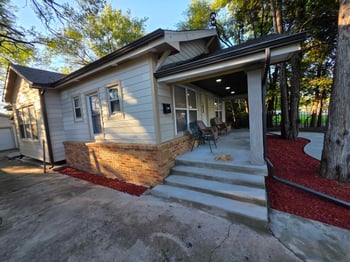
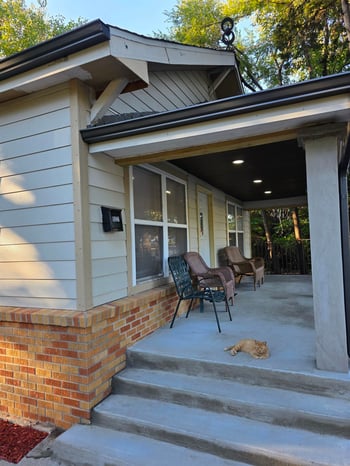
6707 E Pepperwood Ct, Wichita, KS 67226
MLS#: SCK680208




Spend first on understanding active problems, not on making every room look new. For a Wichita-area home, identify the cause, get written quotes, test the work against the available cash and listing timeline, and compare repairing with a price change, listing in the disclosed current condition or considering a negotiated homebuyer credit. No repair or renovation guarantees a higher net return.
The right scope depends on the actual property. A roof leak, unreliable furnace, worn carpet and dated countertop are different decisions, even when they appear on the same preparation list.
Start by separating active problems from optional appearance work. Document what you can observe, obtain the appropriate assessment, price clearly defined work and compare the available sale options.
Known condition issues can also raise disclosure questions. Kansas statute 58-30,106 requires seller agents to disclose known adverse material facts as part of their statutory duties. In everyday language, that means known negative information important to the transaction. Do not treat current-condition wording as a way around those duties. Ask an attorney about the obligations for a specific property or contract.
Keep repair decisions separate from marketing-event logistics. The NAR consumer guide to marketing a home supports agreeing with the agent on photography, access and the marketing plan. An open house is an optional marketing choice, not evidence that a renovation is worthwhile. Use the separate Wichita open-house preparation guide when planning that event.
Assess active water problems, damaged systems and obstructed access before paying for new finishes. The purpose is to identify the cause and likely scope—not to assume an entire system must be replaced.
Concerns that may warrant qualified assessment include:
Moisture needs more than a surface treatment. The EPA mold guide calls for correcting the moisture source as well as addressing mold. It does not recommend bleach as a routine mold-cleanup practice. Extensive water damage, HVAC involvement, contaminated water or health concerns can require professional help. Do not paint or caulk over mold or treat a photograph as a diagnosis.
Permit rules depend on both the address and the project. MABCD serves Wichita, unincorporated Sedgwick County and participating cities, but its rules do not cover every Wichita-area property. Its permit guidance distinguishes replacing certain existing finishes—including paint, wallpaper, tile, carpet, cabinets and countertops—from additions, new construction, structural changes and trade work.
That distinction matters when a project moves from replacing a finish to altering plumbing, electrical components or a structure. Confirm the responsible permit office for the exact address and project before approving the work.
A useful repair quote should define the observed problem, recommended work, total cost and completion schedule. It should be detailed enough to compare proposals without treating the quote as a prediction of the home’s sale price.
Ask for these items in writing:
If MABCD covers the property, compare the proposal with its permit guidance and verify applicable credentials through its contractor-licensing information. Owner-occupied homeowner permits have conditions and inspections; they do not authorize unrestricted DIY electrical, plumbing or roofing work. A permit is not a guarantee of workmanship.
Paint work needs another question when a home was built before 1978. Disturbing older paint can create lead dust, and the EPA lead-safe renovation guidance recommends using a lead-safe certified contractor. Federal requirements have specific coverage and exceptions, so ask a qualified contractor how they apply before sanding, scraping or otherwise disturbing paint.
For mold or water damage, require the quote to explain how the moisture source and affected materials will be handled. The EPA mold guide explains circumstances that may require professional help. A repair quote does not certify the condition of the entire home.
Repairing is the stronger option only when its likely advantage justifies the cash, delay and uncertainty. Compare each choice using the same assumptions rather than treating repair as the automatic answer.
Build each estimate from the same line items:
Count pre-sale spending once. If a repair has already been paid from available cash, include that expense without subtracting it again under another label. Preserve enough cash for other sale expenses and possible changes to the work.
Treat listing in the current condition as a pricing choice, not permission to hide a known issue. Send payoff statements and other sensitive financial documents only through a secure channel supplied by the professional responsible for handling them.
Cosmetic work can remain optional unless it addresses a specific presentation problem supported by the home’s condition and marketing plan. Cleaning, reducing clutter and correcting small functional issues can prepare the property without turning the work into a full remodel.
Review each area according to what it actually needs:
Before disturbing paint in a pre-1978 home, review the EPA lead-safe renovation guidance with a qualified contractor. A fresh finish should not conceal active moisture, damaged materials or another known condition issue.
Agree on photography and property access with the agent. The NAR consumer guide to marketing a home treats photography, showings and other presentation choices as parts of an agreed marketing plan, not guarantees of an offer, price or timeline. Remove sensitive records and personal items that should not appear in photographs or remain accessible during visits.
Approve the work only after the assessment and detailed quote let you compare its full effect on the sale plan. Use the quote requirements above rather than rebuilding the work details from memory, then make a shorter final comparison:
The practical next step is to take the highest-priority assessments and quotes to the agent and compare property-specific sale options. A contractor or other qualified specialist should answer technical condition questions; an attorney should answer property-specific legal or contract questions.
After choosing which projects to approve, use Urban Cool Homes’ complete home seller’s checklist for the wider listing launch. The separate guide to what a real estate agent does in Wichita covers the agent’s role without replacing a contractor’s technical assessment.
If you cannot name the problem a project will solve in one sentence, pause before signing the work order.