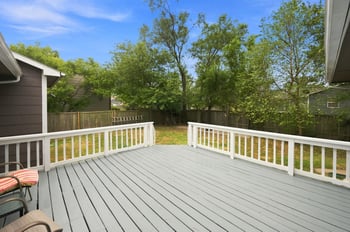
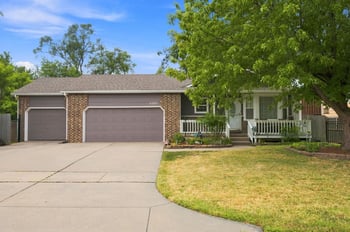
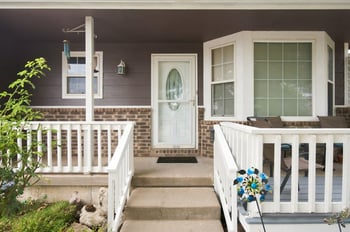
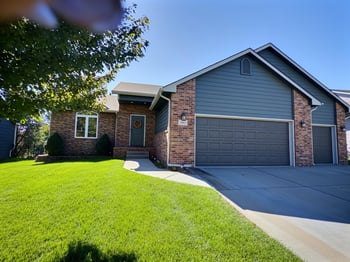
New - 15 Hours Ago

$975,000
Active
--
Beds
--
Baths
--
Sqft
0.34
Acres
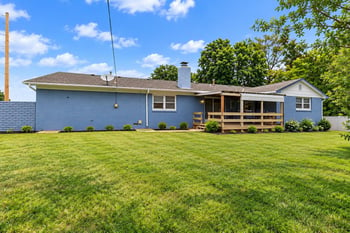
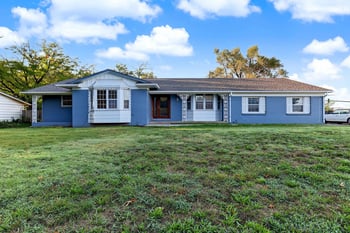
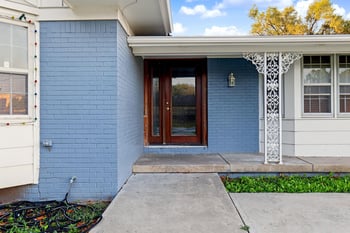
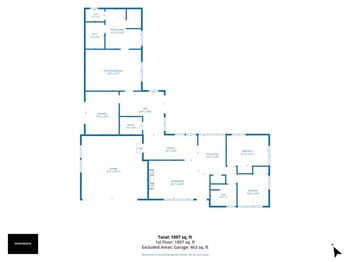
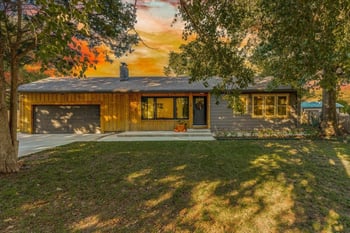
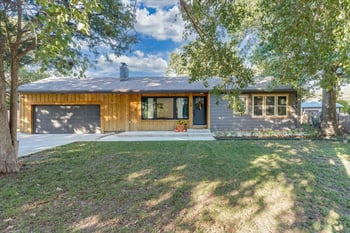
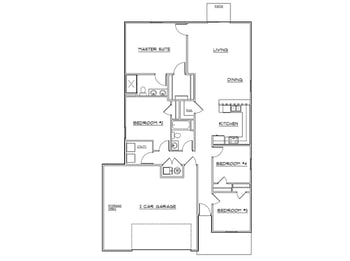
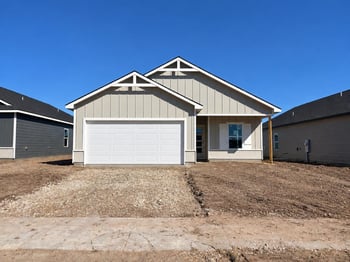
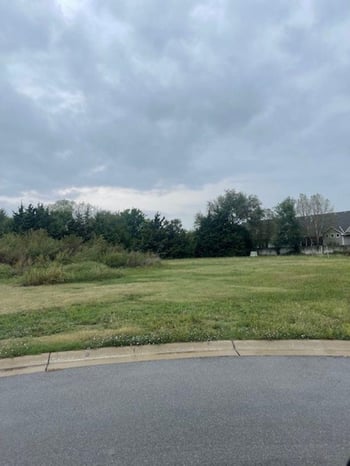
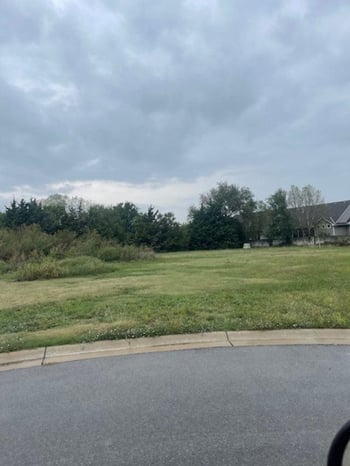
1442 N Broadway Ave #1445 N Broadway Ave and 1460 N Broadway Ave, Wichita, KS 67214
MLS#: SCK680080



Redfin's median sale price of $235K runs about 16% above Zillow's $202,720 average value.
| Zillow avg value | Redfin median | |
|---|---|---|
| March 2026 price | $202,720 | $235,000 |
Source: Zillow Home Value Index and Redfin Data Center · March 2026 — Steven Myers
Key Takeaways
Mortgage rates have quietly settled into the mid-6% range, and the spring buying season everyone expected to thaw the market never really showed up. So here's the honest read for Wichita buyers who've been parked on the sidelines waiting on a rate plunge or a wave of price cuts: the wait-it-out plan stopped working. Summer 2026 is the better window than the spring everyone bet on. Let me walk you through why the market got "stuck," what the numbers actually say, and the moves that separate buyers who close from buyers who keep refreshing Zillow at midnight.
The frustrating thing about a stuck spring is that nobody rings a bell to announce it. Sellers held firm on price. Buyers held out for cheaper money. And the standoff produced a slow, grinding market instead of the brisk April-to-June rush we usually see. But standoffs break, and they tend to break in summer. The buyers who prep now get the negotiating room when it does.
In this article
That stuck feeling wasn't in your head. When mortgage rates lock into a band and refuse to move, both sides of the table freeze. Sellers who landed a 3% rate during the pandemic don't want to swap it for a mid-6% rate, so they list reluctantly or not at all. And buyers keep waiting for a return to those pandemic-era rates that economists across the board agree isn't coming. Thin movement, stubborn pricing.
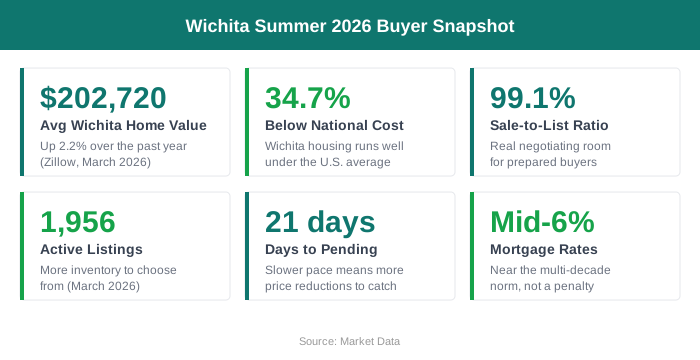
So what does that mean in dollars on the ground here? Depends heavily on which source you read, which is the part nobody tells you. According to Zillow's home value research for Wichita, the average Wichita home value is $202,720, up 2.2% over the past year, with homes going to pending in around 21 days as of March 31, 2026. Redfin tells a different story with a different method: in March 2026, Wichita home prices were up 8.0% compared to last year, selling for a median price of $235K, with 492 homes sold that month, up from 409 a year earlier. These figures don't contradict each other so much as measure different things, list versus sale, all-home indices versus closed transactions, so treat any single "the median is X" claim with a raised eyebrow.
The directional signal stays consistent no matter whose data you trust, though: prices in Wichita are climbing, not falling. Anyone waiting for a price crash to rescue their budget is waiting for the wrong thing. The smarter framing? Rates have stabilized. That removes one big source of uncertainty, even if they never dropped to the level some buyers fantasized about.
Let's clear up a common misunderstanding: the Federal Reserve doesn't set mortgage rates directly. Mortgage pricing tracks the broader bond market and lender appetite far more than any single Fed announcement. You can watch a Fed move and see mortgage rates barely budge, or tick the opposite direction entirely. For perspective on where rates have historically sat, the long-run data on the Freddie Mac Primary Mortgage Market Survey shows that a mid-6% rate sits far closer to the multi-decade norm than the sub-3% anomaly of 2021. Once that lands, the mid-6% range stops feeling like a penalty and starts looking like a baseline you can plan around.
Affordability is Wichita's superpower, and it's the single biggest reason a mid-6% rate stings less here than on the coasts. Overall housing in Wichita runs approximately 34.7% less expensive than the national average, per a 2026 eMetropolitan local market report. When your starting price point is that much lower, the monthly bite of a mid-6% rate shrinks in absolute dollars. A rate that prices a buyer out of higher-cost coastal markets leaves plenty of room here.
You marry the house and date the rate, and that line keeps being true in markets exactly like this one.
Here's another number worth tattooing on your offer sheet. That same eMetropolitan report noted that while it remains a seller's market, increased inventory and the fact that homes sell for slightly below list price on average, 99.1%, hand you genuine negotiating room. There were 1,956 active listings in the Wichita market in March 2026, far more breathing space than buyers had in the frenzied pandemic years. A 99.1% sale-to-list ratio tells you sellers aren't getting everything they ask anymore, which is your opening.
Competitiveness is still real, though. Redfin rates Wichita a 74 on its Compete Score, landing it in "very competitive" territory on a scale where 100 is the most cutthroat. Not a buyer's paradise. But no longer a seller's blank check either. That's exactly the kind of in-between market where preparation pays off, because the prepared buyer beats the hesitant one on nearly identical offers.
One factor catches buyers off guard every time: property taxes. State law and local market index indications led to 88% of residential parcels in Sedgwick County increasing in appraised value for 2026, according to the same eMetropolitan reporting. Why does that matter? Because your monthly payment isn't just principal and interest, it's the escrow for taxes and insurance too. When you budget at a mid-6% rate, build in the reality that appraised values, and therefore the tax slice of your payment, are trending up. Ask your lender to estimate escrow generously rather than optimistically. (I've watched too many buyers blindsided by that escrow line at closing.)
If spring was stuck, why would summer be any different? A few reasons specific to how Wichita actually transacts. The inventory that didn't move in spring carries over and grows stale, and stale listings are where price reductions live. Movoto reported that in Wichita, homes sold for a median price of $285,000 in April 2026, with properties selling after 40 days on the market compared to 35 days last year, and 1,524 homes sold, up from 1,510 a year earlier. Notice days on market crept up year over year. Longer days on market is a quiet gift to buyers, because every extra week a home sits, the seller's resolve softens.
Then there's timing. Summer is when the relocation and family crowd transacts so kids can start a new school year settled in. Predictable demand, sure, but also predictable supply, as sellers who waited through a slow spring finally list in May and June. More choices for you. More sellers competing for the same pool of qualified buyers. If you've been mapping out the season, our breakdown of Wichita's summer 2026 selling window lays out the side-by-side timing strategy for both buyers and sellers.
The local economic picture is unusually specific to Wichita, and it cuts both ways. As the Air Capital of the World, Wichita's housing demand has always been tethered to its aviation employers. That tether means buyers should track employment headlines that ripple straight into neighborhoods, which is why it pays to understand how the Spirit AeroSystems situation is shaping local demand. A wobble at a major employer can soften prices in certain pockets faster than any national trend ever will. That's where patient summer buyers find their leverage.
Talk is cheap; preparation closes deals. Here's the sequence I'd run if I were buying in Wichita this summer.
Pro Move
Negotiate a seller-paid rate buydown instead of a price cut. Stuck-market sellers fund buydowns far more willingly to protect their list-price comp.
Get fully underwritten, not just pre-qualified. In a 74-Compete-Score market, a verified pre-approval, or better, a fully underwritten approval where the lender has already reviewed your income and assets, makes your offer read like cash to a nervous seller. The cheapest competitive edge there is. And most buyers skip it.
Lock your rate strategy, not just a rate. Ask your lender about rate buydowns and whether a seller-paid temporary buydown makes sense given how long listings are sitting. In a stuck market with 40-day average days on market per Movoto's April 2026 data, sellers are far more willing to fund a buydown than to drop their headline price, because the list price protects the comp for their neighbors. You often score a better monthly payment by negotiating the financing instead of the sticker.
Decide your property type early. Single-family, townhome, condo, or even a foreclosure, each plays differently in a mid-6% environment. Lower-priced condos and townhomes blunt the rate's impact on your monthly payment, while a foreclosure can deliver a discount if you're ready for the process. If that route interests you, read up on how to approach buying a foreclosed property here before you make an offer, because the timeline and inspection realities look nothing like a standard sale.
The condo-and-townhome math isn't unique to Wichita, either; it's a national affordability lever buyers grab whenever financing tightens. The same instinct shows up in very different markets, from the entry-level townhomes that move first here to the condo and townhome inventory Elias Azar tracks in the Boca Raton area, where lower-maintenance attached homes serve a similar budget-stretching role for buyers watching rates. Different geography, same playbook: when money costs more, attached homes get a second look.
Build your inspection and escrow buffer into the offer, not after it. With appraised values up on 88% of Sedgwick County residential parcels for 2026, you want your contingencies and your tax escrow assumptions baked into the numbers before you fall in love with a kitchen. Going through a purchase, you'll lean on professional resources at closing, from a thorough home inspection to clear title work, so line up those service providers early rather than scrambling during a 30-day escrow.
Pick your neighborhood by life fit, then price. Wichita rewards buyers who know where they want to be. From the brick streets and mature oaks of College Hill to the cul-de-sac suburbs ringing the city, the right pocket hinges on your daily rhythm more than your budget alone. Spend an afternoon getting a feel for the neighbourhoods that match your pace of life before you let a listing dictate where you land.
Have your walk-away number written down. Sellers in a stuck market will test your patience. Knowing your true ceiling, payment included with taxes and insurance, keeps you from overpaying out of pure fatigue. The buyer with a written walk-away number negotiates from strength; the buyer guessing in the moment overpays.
Here's the math that cuts through the noise. Wait for rates to fall a full point and they don't, and you've lost a year of equity in a market where prices rose 2.2% to 8.0% year over year depending on the index. Buy now at a mid-6% rate and rates eventually drop? You refinance later. You don't unwind the purchase. You marry the house and date the rate. That old line gets repeated because it keeps being true in markets exactly like this one.
For broader context beyond Wichita, the latest research from the Joint Center for Housing Studies at Harvard has consistently documented how a lack of for-sale supply, not just rates, keeps prices firm even when affordability tightens. That supply story is exactly what's playing out locally: not enough sellers willing to surrender low locked-in rates, which props pricing up. Waiting doesn't solve a supply problem. It just keeps you renting through it.
Buying now isn't right for everyone, though. If your income is tied to a single employer whose outlook is shaky, or if you'd stretch past a comfortable payment to make a mid-6% rate work, patience is the responsible call. The goal isn't to buy at all costs; it's to buy when your own finances, not the headlines, say go. And if you're genuinely flexible on geography, it's worth taking a hard look at the choice and weighing Wichita against the Kansas City market before committing, since the two Kansas metros reward different priorities.
People forget refinancing exists at exactly the moment they most need to remember it. Buy this summer at a mid-6% rate, the market shifts your way in a year or two, and refinancing converts today's payment into tomorrow's lower one without making you re-shop, re-tour, and re-compete for a home. According to mortgage industry data tracked by Freddie Mac's research division, refinance activity historically surges whenever rates dip even modestly below the prevailing purchase rate. The door you're worried about closing has a window you can climb through later. Buying doesn't lock you into a payment forever; it locks you into a home at today's price.
National headlines about a frozen market paint with a broad brush, but Wichita carries local quirks that work in a prepared buyer's favor. Affordability runs roughly a third under the national average, days on market are drifting longer, and the seller-friendly tilt is softening at the margins with that 99.1% sale-to-list ratio. None of those are coastal dynamics. They're reasons a mid-6% rate is far more survivable here than the doom-and-gloom coverage admits.
Meanwhile, the city keeps handing people reasons to plant roots, from a maturing downtown to the museums, riverside parks, and the smell of barbecue smoke off Douglas on a Friday night that make Wichita livable in a way that never shows up on a rate sheet. The intangibles, your commute, your kids' school, the Saturday-morning routine you actually want, outlast whatever the 10-year Treasury does next quarter. A house is a place you live for years; the rate is a number you'll likely carry for only a couple of them before refinancing. Keep that proportion straight and the mid-6% panic deflates fast.
The buyers who win this summer won't be the ones who timed the bottom. Nobody times the bottom. They'll be the ones who got underwritten, knew their walk-away number, and made a clean offer on a home that fits their life the week a tired listing finally cut its price.
Your single most important move right now: get fully underwritten and write down your true payment ceiling, taxes and insurance included, so you can pounce the moment a stale Wichita listing softens this summer. The rate was never the obstacle. Being unprepared when your house appears is.
If you're ready to map out a summer 2026 buying plan tailored to your budget and the neighborhoods you're eyeing, the team at Steven Myers can walk you through current listings, lender introductions, and a negotiation strategy built for a stuck-but-thawing market. Reach out and let's get you positioned before the competition wakes up.
Steven Myers helps Wichita buyers get fully underwritten, spot real price reductions, and lock in the negotiating room that mid-6% rates and a slower summer market create.
Contact Steven Myers Today